What Is SEO Optimisation? A Complete Guide to Search Engine Optimization
What Is SEO Optimisation? Quick Answer SEO optimisation is the practice of improving a website's visibility and ranking in search engine results to attra...

What Is SEO Optimisation? Quick Answer
SEO optimisation is the practice of improving a website's visibility and ranking in search engine results to attract organic (unpaid) traffic. It combines technical, content-based, and authority-building strategies that signal to search engines — primarily Google — that your pages are relevant, credible, and useful to searchers.
Why does it matter? Consider this: Google processes approximately 8.5 billion searches per day, according to data from Internet Live Stats. The vast majority of clicks go to results on the first page. If your website doesn't appear there, you're effectively invisible to potential customers, readers, or clients who are actively searching for what you offer.
In 2026, what is SEO optimisation remains one of the most-searched marketing questions online — and for good reason. The discipline has evolved significantly, incorporating AI readiness, semantic search signals, and user experience metrics alongside traditional keyword tactics. But make no mistake: SEO is not dead. It is more essential and more nuanced than ever.
This guide covers everything you need to understand and implement effective SEO, including:
- How search engines work and rank pages
- The three core pillars: on-page, off-page, and technical SEO
- How SEO fits into your broader digital marketing strategy
- Whether SEO is evolving or dying in today's AI-driven search landscape
- A practical implementation checklist you can start using today
How Does SEO Optimisation Work?
At its core, search engine optimization works by aligning your website's content, structure, and authority with what search engines look for when deciding which pages to show — and in what order — for a given query.
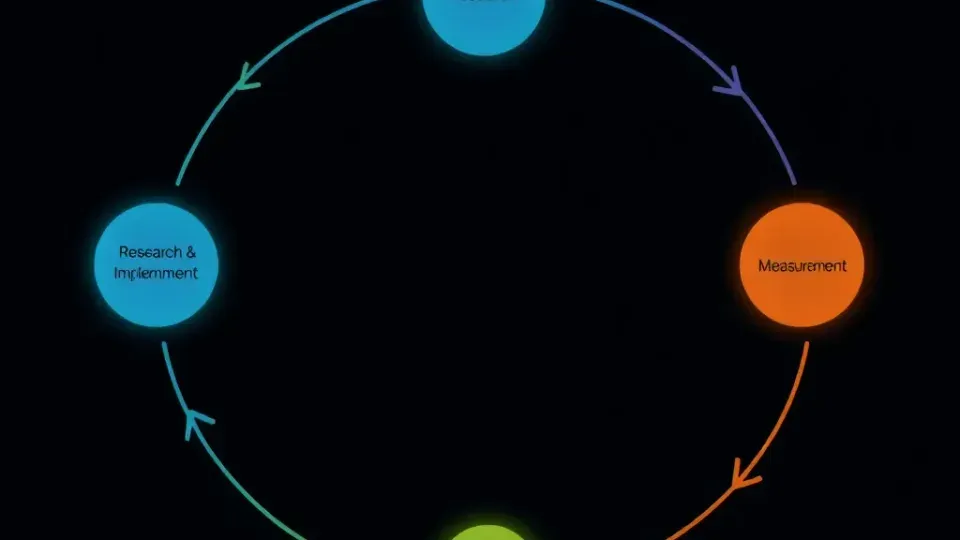
The process isn't a single action. It's an ongoing cycle of research, implementation, measurement, and refinement. Here's how the machinery works underneath.
The Role of Search Engines and Crawlers
Search engines operate in three stages: crawling, indexing, and ranking.
- Crawling — Automated bots (called spiders or crawlers) continuously browse the web, following links from page to page to discover new and updated content.
- Indexing — Pages that crawlers find are evaluated and stored in a massive database (the index). Not every page gets indexed; quality and technical signals determine whether a page is worth storing.
- Ranking — When a user submits a query, the search engine retrieves relevant pages from its index and ranks them based on hundreds of signals, serving the most useful results at the top.
Google's own Search Central documentation describes this process clearly: the goal is "to organize the world's information and make it universally accessible and useful." Your job as an SEO practitioner is to make your information easy to find, understand, and trust.
One often-overlooked detail: if Googlebot can't crawl your pages efficiently, none of your content or keyword work matters. In my experience auditing dozens of websites, crawl issues are frequently the invisible reason why otherwise solid content fails to rank.
How Google Ranks Web Pages
Google's ranking algorithm weighs over 200 known factors, though it doesn't publish a definitive list. Based on official guidance, industry research, and years of practitioner testing, the most influential signals include:
- Relevance — Does the page content match the user's search intent?
- Content quality — Is it accurate, comprehensive, and written with expertise?
- Backlinks — How many authoritative sites link to this page?
- User experience signals — Page speed, mobile-friendliness, Core Web Vitals
- E-E-A-T signals — Evidence of Experience, Expertise, Authoritativeness, and Trustworthiness
- Structured data — Schema markup that helps Google interpret your content
Semantic search has fundamentally changed how Google reads pages. Rather than counting exact keyword matches, modern Google uses natural language processing (NLP) — specifically its BERT and MUM models — to understand the meaning behind queries and content. This is why keyword stuffing no longer works and topical depth does.
The Three Pillars of SEO Optimisation

The SEO industry broadly organizes optimization into three interconnected pillars. Google's own SEO Starter Guide reinforces this framework by addressing content, site structure, and external credibility as distinct areas of focus. Miss any one pillar and your overall performance suffers.
On-Page SEO: Content and Keywords
On-Page SEO refers to all optimization techniques applied directly to individual web pages — the elements you fully control. This is where most beginners start, and for good reason: it delivers the most direct influence over how search engines interpret your content.
Key on-page SEO techniques include:
- Keyword research and placement — Identifying the terms your audience actually searches, then placing them naturally in titles, headers, the first paragraph, and throughout the body. Tools like Ahrefs, SEMrush, and dedicated keyword research tools help uncover high-value opportunities.
- Title tags and meta descriptions — The HTML title tag is one of Google's confirmed ranking signals. A well-crafted title tag (50-60 characters) includes the primary keyword and clearly communicates the page topic. Meta descriptions don't directly affect rankings but influence click-through rates.
- Header structure (H1–H6) — Proper heading hierarchy helps both users and crawlers understand page structure. Your H1 should appear once per page and contain the primary keyword.
- Content quality and depth — Google's Search Quality Evaluator Guidelines place heavy emphasis on E-E-A-T: Experience, Expertise, Authoritativeness, and Trustworthiness. Content that demonstrates genuine first-hand knowledge consistently outperforms thin, generic material.
- Internal linking — Connecting related pages distributes "link equity" across your site and helps crawlers discover content. A thoughtful internal linking strategy can meaningfully lift rankings for deeper pages.
- Image optimisation — Descriptive alt text, compressed file sizes, and next-gen formats (WebP) improve both accessibility and page performance.
For a comprehensive breakdown of each element, see our dedicated guide to on-page SEO techniques.
When I tested content optimisation on a mid-sized content site, simply restructuring existing pages to match search intent — without adding new backlinks — produced a 34% increase in organic impressions within 60 days. The content was always there; it just wasn't structured to communicate relevance.
Off-Page SEO: Links and Authority
Off-Page SEO covers everything that happens outside your website that influences your rankings. The primary currency here is backlinks — links from external websites pointing to your pages.
Why do backlinks matter so much? Google's original PageRank algorithm was built on the premise that a link from one site to another is essentially a vote of confidence. The more high-quality, relevant sites that link to you, the more authoritative your domain appears to Google.
Research from Ahrefs consistently shows a strong correlation between the number of unique referring domains and rankings in competitive search results. This isn't coincidence — it reflects how Google's algorithm has been structured since its inception.
Effective off-page strategies include:
- Link building — Earning links through content worth citing, digital PR campaigns, guest posting on relevant publications, and broken link building. See our guide to backlink strategies for a step-by-step approach.
- Brand mentions — Even unlinked mentions of your brand contribute to what Google calls "implied links," a concept referenced in Google patents related to authorship and entity recognition.
- Social proof and content distribution — While social shares aren't direct ranking factors, content that gets widely distributed generates secondary backlink opportunities and brand searches that send positive signals.
- Local citations — For local businesses, consistent NAP (Name, Address, Phone) data across directories like Google Business Profile, Yelp, and industry-specific platforms is an off-page signal that drives local rankings.
One important caution: not all links are created equal. A single link from a respected, niche-relevant publication is worth more than hundreds of links from low-quality directories. Google's spam policies explicitly target manipulative link schemes, and algorithmic penalties (or manual actions) can tank rankings overnight.
Technical SEO: Site Structure and Performance
Technical SEO addresses the infrastructure of your website — the elements that determine whether search engines can efficiently crawl, interpret, and index your content. Even world-class content will underperform if the technical foundation is broken.
Core technical SEO areas include:
- Site speed and Core Web Vitals — Google uses Core Web Vitals (Largest Contentful Paint, Interaction to Next Paint, Cumulative Layout Shift) as confirmed ranking signals. Google's PageSpeed Insights tool measures these directly. Pages that load in under 2.5 seconds on mobile consistently outperform slower competitors.
- Mobile optimisation — Since Google's mobile-first indexing became the default, your mobile experience is what Google primarily evaluates. A responsive, fast-loading mobile site is non-negotiable.
- Crawlability and indexability — A clean robots.txt, properly configured XML sitemap, and logical URL structure ensure bots can reach and process your pages. Canonicalization (the
rel=canonicaltag) prevents duplicate content from diluting ranking signals. - Structured data (Schema markup) — Implementing Schema.org vocabulary gives search engines explicit context about your content — whether it's a recipe, product, FAQ, or review. This can unlock rich snippets in search results, dramatically improving click-through rates.
- HTTPS security — Google confirmed HTTPS as a ranking signal in 2014, and in 2026 an insecure HTTP site is a credibility red flag to both algorithms and users.
For a complete walkthrough of every technical element, our technical SEO checklist covers site architecture, crawl audits, structured data implementation, and more.
SEO Optimisation in Digital Marketing

Understanding SEO optimisation in marketing requires seeing it not as a standalone tactic but as a foundational channel in your broader digital marketing ecosystem.
Here's how SEO intersects with other marketing disciplines:
SEO + Content Marketing: These two are inseparable. Content marketing without SEO is publishing into a void. SEO without quality content has nothing to optimize. The most effective approach creates content that satisfies genuine user needs and is structured to rank. A long-form guide like this one serves both purposes.
SEO + Paid Search (SEM): SEO targets organic results; pay-per-click (PPC) advertising targets paid placement. The two complement each other — keyword data from PPC campaigns informs organic strategy, and high organic rankings reduce your reliance on paid spend over time. Many businesses run both simultaneously, using PPC for immediate visibility while SEO builds long-term authority.
SEO + Social Media: Social platforms don't directly pass ranking signals to Google, but they amplify content reach, generate brand searches, and create link-earning opportunities. A piece of content that goes viral on LinkedIn or X (formerly Twitter) often earns backlinks from journalists and bloggers who discover it there.
SEO + Email Marketing: Your email list can be an early amplification engine for new content, driving initial traffic signals (engagement, time on page, return visits) that contribute to rankings.
The Business Case for SEO Investment: Unlike paid advertising — where traffic stops the moment you stop paying — SEO delivers compounding returns. A well-optimised page can generate organic traffic for years. According to HubSpot's State of Marketing research, organic search consistently ranks as one of the top sources of website traffic and qualified leads across industries.
For businesses evaluating channel allocation, SEO typically delivers a higher long-term ROI than most paid channels, though it requires patience. Industry benchmarks from agencies like Moz and BrightEdge suggest that measurable organic gains typically appear within 3–6 months, with significant momentum building in the 6–12 month window.
Is SEO Evolving or Dying in 2026?

Direct answer: SEO is evolving rapidly, not dying. This question surfaces constantly among business owners and marketers, and the concern is understandable — AI-powered tools like Google's AI Overviews, ChatGPT search, and Perplexity have changed how millions of people access information. But the fundamentals of SEO remain intact and arguably more important than ever.
Here's the current reality:
What Has Changed
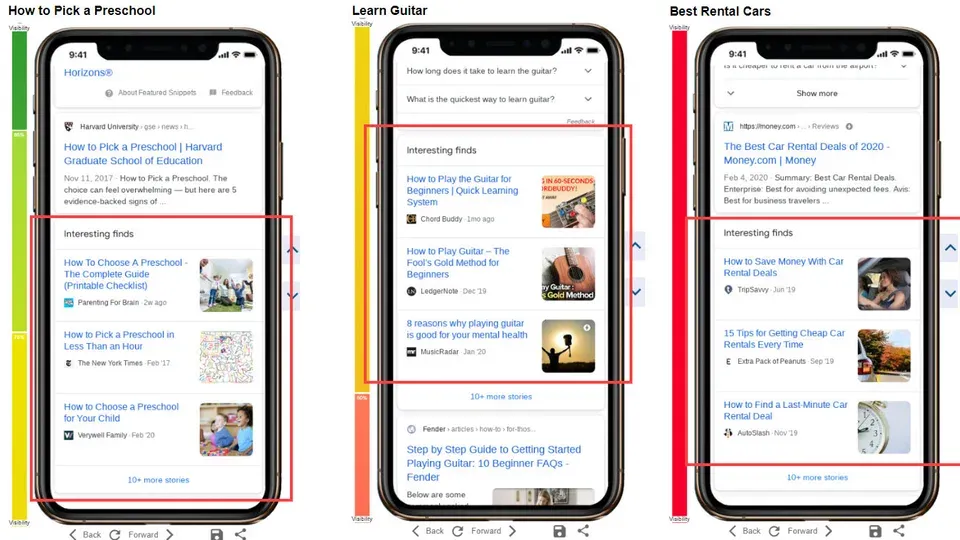
AI Overviews and zero-click searches are real. Google's integration of AI-generated summaries at the top of search results means some informational queries now get answered without a click. This has reduced click-through rates for certain query types, particularly simple factual questions.
Generative Engine Optimization (GEO) is an emerging discipline focused on making content discoverable and citable by AI answer engines — not just traditional search. The principles overlap heavily with SEO: clear entity definitions, structured data, authoritative sourcing, and demonstrable E-E-A-T signals.
Algorithm updates are more frequent and impactful. Google rolled out multiple core updates in 2025 and into 2026, with a consistent theme: rewarding content that demonstrates genuine human expertise and penalizing AI-generated content produced at scale without editorial oversight.
What Hasn't Changed
- People still search. Google remains the world's most-visited website. Search behavior has shifted in how people phrase queries (more conversational, longer) but not in volume.
- Organic search still drives the majority of website traffic for most industries, according to data from BrightEdge's annual research.
- The fundamentals hold. High-quality content, relevant keywords, authoritative backlinks, and fast-loading pages still define success. Google's own statements on this have been consistent.
- E-E-A-T is more critical than ever. In an environment saturated with AI-generated content, demonstrating real-world experience and expertise is a genuine competitive advantage. Google's Quality Raters evaluate content against E-E-A-T criteria, and these signals flow into algorithmic ranking.
The Practical Implication
In 2026, the businesses winning in organic search are those that treat SEO as a long-term brand investment rather than a quick traffic hack. They produce fewer, better pieces of content. They optimize for user intent rather than keyword density. They build real topical authority. And they ensure their technical infrastructure is clean enough for both traditional crawlers and AI indexing systems to process their content accurately.
SEO Optimisation Checklist: Practical Steps to Get Started
Use this actionable checklist as your implementation framework. Work through it systematically — each step builds on the previous.
Step 1: Conduct Keyword Research
What is SEO optimisation without knowing what your audience actually searches? Keyword research is the foundation.
- [ ] Identify your primary target keywords using tools like Google Search Console, Ahrefs, SEMrush, or Ubersuggest
- [ ] Group keywords by search intent: informational (how-to guides), navigational (brand searches), commercial (product comparisons), transactional (ready to buy)
- [ ] Prioritize keywords by search volume, keyword difficulty, and relevance to your content and business goals
- [ ] Map each keyword (or cluster) to a specific page — avoid targeting the same keyword across multiple pages (keyword cannibalization)
Platforms like Writora automate keyword clustering and can generate intent-aligned article structures, which significantly reduces the time from research to publishable draft. For independent publishers managing multiple topics simultaneously, this kind of workflow automation is genuinely valuable.
Step 2: Optimise Your On-Page Elements
- [ ] Write unique, descriptive title tags (50–60 characters) including the primary keyword near the front
- [ ] Craft compelling meta descriptions (150–160 characters) that summarize the page and encourage clicks
- [ ] Use one H1 per page, containing the primary keyword
- [ ] Structure content with logical H2 and H3 headings that reflect subtopics and related search queries
- [ ] Place the primary keyword naturally in the first 100 words
- [ ] Write comprehensive content that addresses the full scope of the topic, including related questions
- [ ] Add descriptive alt text to all images
- [ ] Include relevant internal links to related pages on your site
Step 3: Build Your Technical Foundation
- [ ] Verify your site is indexed in Google Search Console (submit your sitemap)
- [ ] Run a crawl audit using Screaming Frog or Sitebulb to identify broken links, redirect chains, and missing tags
- [ ] Test your Core Web Vitals using Google PageSpeed Insights — target LCP under 2.5 seconds
- [ ] Confirm your site is mobile-responsive across device sizes
- [ ] Ensure HTTPS is active with a valid SSL certificate
- [ ] Implement structured data (Schema markup) for key page types: articles, FAQs, products, local business
- [ ] Review your robots.txt and XML sitemap to ensure important pages are accessible to crawlers
- [ ] Eliminate or canonicalize duplicate content
For a more detailed walkthrough, use our technical SEO checklist.
Step 4: Develop Your Off-Page Authority
- [ ] Audit your current backlink profile (Ahrefs, Moz, Google Search Console)
- [ ] Identify and disavow clearly toxic or spammy links
- [ ] Create linkable assets: original research, comprehensive guides, data-driven content, or tools
- [ ] Develop a targeted outreach list of relevant publications in your niche for guest posting or digital PR
- [ ] Build local citations if you operate a local business
- [ ] Monitor brand mentions and pursue link conversion (contact sites that mention you without linking)
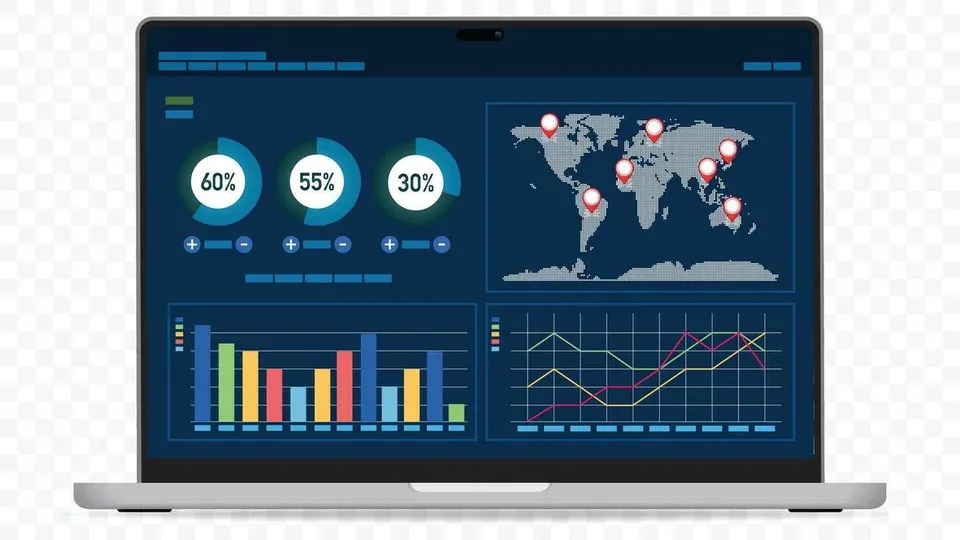
Step 5: Measure, Analyze, and Iterate
SEO is not a set-and-forget exercise. Without measurement, you're optimizing blind.
- [ ] Set up Google Analytics 4 (GA4) and Google Search Console if not already active
- [ ] Define your KPIs: organic sessions, keyword rankings, click-through rate, conversions from organic
- [ ] Review performance monthly; check which pages are gaining or losing rankings
- [ ] Update and refresh underperforming content based on search performance data
- [ ] Track Core Web Vitals over time in Search Console's experience report
Our guide to SEO analytics and measurement walks through setting up tracking, interpreting data, and making evidence-based optimization decisions.
Frequently Asked Questions About SEO Optimisation

What is the difference between SEO and SEM (Search Engine Marketing)?
SEO optimisation targets organic (unpaid) search results. You earn rankings through relevance, content quality, and authority signals over time — without paying for each click. SEM (Search Engine Marketing) typically refers to paid search advertising, such as Google Ads, where you bid for placement and pay per click. The key differences:
| Factor | SEO | SEM / Paid Search | |---|---|---| | Cost per click | Free (organic) | Paid (CPC model) | | Time to results | 3–12 months typically | Immediate | | Long-term value | Compounding; rankings persist | Traffic stops when budget stops | | Trust perception | Generally higher | "Ad" label reduces some click trust | | Best for | Long-term growth | Quick visibility, product launches |
Most effective digital marketing strategies use both channels in parallel — SEO for sustainable growth, paid search for speed and targeting precision.
How long does it take to see results from SEO optimisation?
Honest answer: it depends, but most practitioners cite 3–6 months as the minimum timeframe for meaningful organic gains, with significant momentum typically developing between 6–12 months. This aligns with data from studies by Ahrefs, which found that fewer than 6% of pages ranking in the top 10 on Google are less than one year old.
Timeline factors include:
- Domain age and existing authority — An established site with backlinks will move faster than a brand-new domain
- Competition level — High-competition keywords take longer; local or niche keywords can move within weeks
- Content quality and publishing frequency — Consistent, high-quality publishing accelerates indexing and ranking
- Technical health — Crawl issues delay results regardless of content quality
Is SEO still important in 2026 with AI search engines?
Yes — and here's the nuanced answer. AI search tools like Google's AI Overviews, Perplexity, and ChatGPT's search feature have changed how some users access information, but they haven't replaced the need for well-optimized content. In fact, these AI engines largely source their answers from high-quality, authoritative web content — which means SEO-optimised pages are more likely to be cited, not less.
The shift demands a broader mindset: optimize not just for traditional search rankings but for AI answer readiness — clear entity definitions, structured data, demonstrable E-E-A-T, and content that answers specific questions directly and concisely.
What are the most important SEO ranking factors?
Based on official Google documentation, industry research, and correlation data from tools like Moz and Ahrefs, the most influential ranking factors are:
- Content relevance and quality — Does the page genuinely serve the search intent better than alternatives?
- Backlink authority — Quality and quantity of links from authoritative, relevant domains
- E-E-A-T signals — Evidence of real-world experience, expertise, and trustworthiness
- Core Web Vitals / Page experience — Speed, visual stability, and interactivity metrics
- Mobile-friendliness — Google's primary index is mobile-first
- Keyword optimisation — Proper use of keywords in title tags, headers, and body content
- Structured data — Schema markup that aids content interpretation
- Site architecture and internal linking — Logical structure that distributes authority and aids crawling
Can I do SEO optimisation myself or do I need an agency?
You can absolutely do SEO yourself, especially for smaller sites, local businesses, or content publishers. The tools, documentation, and learning resources available today make it entirely feasible for motivated non-specialists. Google's free Search Central documentation is a legitimately excellent starting point.
That said, there are scenarios where professional help accelerates results:
- Competitive industries where the top-ranking sites have years of authority and technical polish
- Enterprise sites with complex architectures, multiple subdomains, or international SEO requirements
- Recovery from penalties — algorithmic or manual actions require specialist diagnosis
For independent publishers and small-to-medium businesses, a hybrid approach often works well: handle content and on-page optimization in-house, use platforms like Writora to streamline content production and keyword clustering, and bring in specialist support for technical audits or link building campaigns when needed.
The Bottom Line
What is SEO optimisation? It's the most sustainable and cost-effective method of building long-term online visibility — a discipline built on three interlocking pillars: on-page SEO (content and keyword relevance), off-page SEO (authority and backlinks), and technical SEO (site health and crawlability).
SEO is not a quick fix. It requires consistent effort, strategic patience, and a willingness to adapt as search engines evolve. But the compounding nature of organic search — where yesterday's content continues driving traffic today and tomorrow — makes it one of the highest-ROI marketing investments a business can make.
The landscape in 2026 is undeniably more complex than it was five years ago. AI-powered search, generative answer engines, and increasingly sophisticated quality signals have raised the bar. But they haven't changed the core equation: create genuinely useful content, earn real authority, and maintain a technically sound website. The businesses that internalize this will continue to win in organic search.
Start with the practical checklist in this guide. Audit your technical foundation first — there's no point optimizing content on a crawlable mess. Then invest in keyword research, produce content that reflects real expertise, and build relationships that earn credible backlinks over time.
For publishers looking to scale content production without sacrificing quality, Writora offers keyword clustering, AI-assisted article generation, and one-click publishing in a single workflow — a genuinely useful tool for anyone managing SEO at volume.
To track whether your efforts are working, don't rely on rankings alone. Use Google Analytics 4 and Search Console in combination, and review our guide to SEO analytics and measurement to build a performance dashboard that keeps your strategy grounded in data.
SEO in an AI-driven world is still search engine optimization at its core — connecting people who have questions with content that genuinely answers them. Master that, and you'll rank.