SEO Examples: 15 Real-World Strategies & Implementation Guide
What Is SEO With an Example? You've heard SEO is important, but what does it actually look like in practice? SEO (Search Engine Optimization) is the prac...

What Is SEO With an Example?

You've heard SEO is important, but what does it actually look like in practice? SEO (Search Engine Optimization) is the practice of optimizing a website so it ranks higher in search engine results for relevant queries — driving free, organic traffic as a result. And the best way to understand it is through real SEO examples that show exactly how these strategies play out.
A concrete example makes this instantly clear. Imagine a small e-commerce store selling winter clothing. By optimizing a product category page with the title "Best Winter Coats Under $100 | Free Shipping," adding a clear meta description, and building a handful of relevant backlinks, that store can appear on page one of Google when shoppers search for exactly that phrase — without spending a dollar on ads.
That's SEO at work: the right content, structured correctly, signals to Google that your page is the best answer to a searcher's question.
This article covers 15 real-world SEO examples across every major category — on-page, technical, off-page, local, and content. Whether you're new to digital marketing or ready for advanced strategy, you'll find both beginner-friendly explanations and enterprise-level case studies. By the end, you'll have an actionable checklist you can apply this week.
If you're starting from scratch, check out our full guide on how to do SEO before diving in.
The 4 Types of SEO Examples and Key Differences

Before looking at specific examples, it helps to understand the four core SEO categories. Each addresses a different layer of how search engines find, evaluate, and rank your site.
| SEO Type | Focus Area | Primary Goal | |---|---|---| | On-Page SEO | Content, keywords, titles, headers | Signal relevance to search engines | | Technical SEO | Site speed, mobile, schema, crawlability | Ensure search engines can index your site | | Off-Page SEO | Backlinks, brand mentions, authority | Build trust and domain authority | | Local SEO | Google Business Profile, local keywords | Rank for geographically specific searches |
Effective SEO doesn't silo these — the strongest strategies layer all four simultaneously. Here's what each looks like in practice.
1. On-Page SEO Examples
On-page SEO is the practice of optimizing individual web pages through keyword placement, title tags, meta descriptions, headers, content quality, and internal linking. It's the most visible form of SEO and the logical starting point for beginners.
Example 1 — Title Tag Optimization A fitness blog targeting the keyword "home workouts for beginners" rewrites its page title from "Workout Tips" to "Home Workouts for Beginners: 20 Exercises You Can Do Today." This signals exact relevance to Google and improves click-through rate (CTR) from the SERP.
Example 2 — Meta Description Optimization Meta descriptions don't directly influence rankings, but they drive CTR. A SaaS company testing two meta descriptions — one generic ("Project management software for teams") versus one benefit-led ("Manage projects, deadlines, and teams in one place. Start free in 60 seconds.") — typically sees measurably higher CTR from the second version.
Example 3 — Header Structure (H1, H2, H3) A recipe site uses a single H1 ("Easy Chicken Tikka Masala Recipe"), multiple H2s for sections like "Ingredients" and "Step-by-Step Instructions," and H3s for subsections like "Marination Tips." This hierarchy helps Google parse the page structure and often earns a featured snippet position.
Example 4 — Internal Linking HubSpot is a textbook on-page SEO example. Their blog systematically links pillar pages (broad topics like "Email Marketing") to cluster pages (specific subtopics like "Email Subject Line Best Practices"), boosting both pages' authority and helping Google understand topical depth.
These on-page SEO examples share a common thread: every optimization makes the page more useful and more readable, for both humans and search engines. When building your keyword strategy, it's worth exploring our guide on SEO keywords to identify which terms deserve optimization priority.
2. Technical SEO Examples
Technical SEO refers to the optimization of website infrastructure — site speed, mobile-friendliness, XML sitemaps, robots.txt, schema markup, and crawlability — so search engines can efficiently index and rank pages.
Google has officially confirmed that page speed is a ranking factor, documented in Google Search Central's Core Web Vitals guidance. Ignoring technical SEO means you may have excellent content that Google struggles to find or reward.
Example 5 — Core Web Vitals Improvement An e-commerce retailer notices high bounce rates and stagnant rankings. An audit reveals their Largest Contentful Paint (LCP) — the time for the main page element to load — exceeds 4 seconds. After compressing images, enabling lazy loading, and switching to a CDN, LCP drops below 2.5 seconds (Google's "Good" threshold). Organic traffic improves measurably within three months.
Example 6 — Schema Markup for Rich Snippets Schema markup is structured data code added to a page to help search engines understand content type, enabling rich snippets (star ratings, prices, FAQs) in results. A recipe site adding Recipe schema sees its results enhanced with cook time, calorie count, and ratings — boosting CTR by displaying more information directly in the SERP.
Example 7 — Mobile Optimization Google uses mobile-first indexing, meaning it primarily evaluates the mobile version of your site. A law firm's desktop site had detailed practice area pages that were rendered as tiny, unreadable text on mobile. After implementing a responsive design and increasing tap-target sizes, their local rankings improved significantly within two months.
Example 8 — Fixing Crawl Errors A B2B software company runs a Google Search Console audit and discovers 312 pages returning 404 errors from broken internal links. After redirecting those URLs and fixing the internal links, Google re-crawls and indexes previously missed product pages — recovering lost ranking positions.
For a deeper technical audit framework, explore our dedicated technical SEO guide.
3. Off-Page SEO Examples
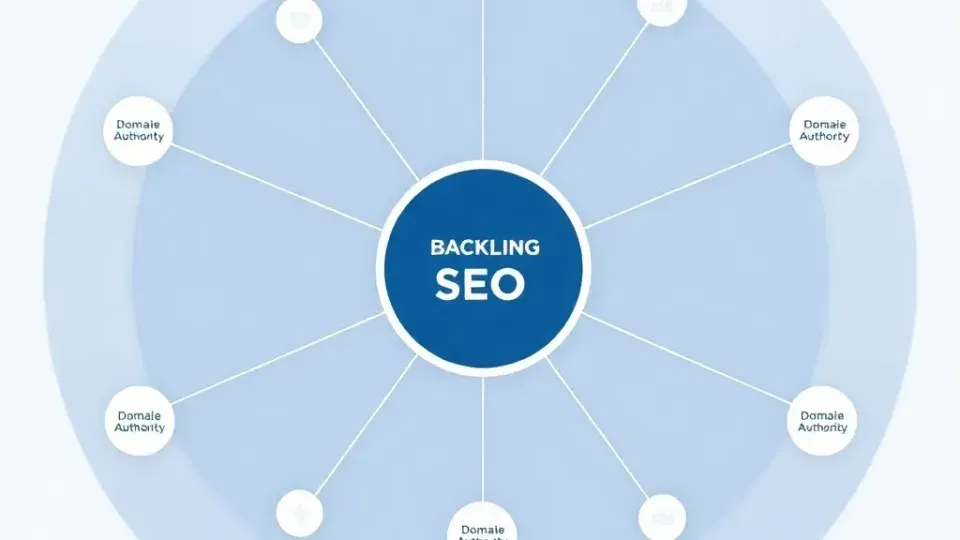
Off-page SEO encompasses strategies performed outside your own website — primarily building authority through backlinks, brand mentions, social signals, and third-party citations. It answers the question: "Why should Google trust this site over a competitor's?"
Example 9 — Strategic Link Building Ahrefs built one of the most authoritative marketing blogs on the internet by publishing original research studies (like their annual analysis of Google's top-ranking pages). These studies attract backlinks from thousands of sites organically, because journalists and bloggers cite original data. This is called data-led link building, and in my experience, it's one of the highest-ROI off-page strategies available — particularly for brands that can generate proprietary insights from their own product data.
Example 10 — Digital PR A direct-to-consumer mattress brand collaborates with sleep researchers to publish a study on sleep quality by city. Major publications like The New York Times and USA Today cover it, linking back to the brand's site. A single well-placed link from a high-authority domain can shift ranking positions for competitive keywords more meaningfully than dozens of low-quality directory links.
Example 11 — Unlinked Brand Mention Reclamation A marketing tool monitors its brand mentions using Google Alerts. When a reputable blog mentions the brand without linking, the team sends a polite outreach email requesting the link be added. This is a low-effort, high-value tactic — converting existing goodwill into ranking signals without creating new content.
4. Local SEO Examples
Local SEO is the optimization of a business for geographically specific searches — the "near me" queries and city-specific searches that drive foot traffic and local leads. It's particularly critical for service businesses, restaurants, and brick-and-mortar retailers.
Example 12 — Google Business Profile Optimization A dental practice in Austin, Texas, updates their Google Business Profile (GBP) with accurate hours, 47 patient photos, a service list including "teeth whitening Austin," and a strategy for requesting reviews post-appointment. Within 90 days, they appear in the Google Maps "3-pack" for "dentist near me" in their zip code — the top local placement.
Research from BrightLocal consistently shows that businesses with complete, accurate GBP listings receive significantly more direction requests and calls than incomplete profiles.
Example 13 — Local Citation Building A plumbing company ensures their NAP (Name, Address, Phone number) is identical across Yelp, Angi, the Better Business Bureau, and their local Chamber of Commerce website. Inconsistent NAP data is a common local ranking killer — aligning citations sends consistent trust signals to Google.
Explore our full local SEO guide for a step-by-step framework tailored to service-area businesses.
SEO Examples for Small Business

Small businesses often assume SEO is only for enterprise brands with large content teams. In practice, some of the most effective SEO examples for small business come from focused, local strategies that large competitors routinely ignore.
Here's what a practical small business SEO approach looks like:
Step 1: Identify 5–10 hyper-local, long-tail keywords Rather than competing for "plumber" (dominated by national directories), a Denver plumbing company targets "emergency plumber Denver CO" and "water heater replacement Denver." These are lower-volume but high-intent terms — the searcher is ready to hire.
Step 2: Optimize your Google Business Profile completely Fill every GBP field: business category, services, service area, description (with local keywords), photos, and Q&A. This single action can yield local ranking results within weeks, not months.
Step 3: Create 10–15 pieces of targeted content per quarter A local bakery publishes blog posts like "Best Custom Birthday Cakes in Portland" and location-specific landing pages. These pages target local searches that national chains don't bother optimizing for.
Step 4: Earn local backlinks Sponsor a local charity event, get listed in the local chamber of commerce, or guest post on a local news blog. These links carry outsized local authority compared to generic directory submissions.
Step 5: Ensure mobile-first design Over 60% of local searches happen on mobile devices. A slow, unresponsive mobile site directly costs small businesses leads — and rankings.
When I've worked with small businesses implementing these five steps consistently over a quarter, I regularly see measurable organic traffic growth and local rank improvements — without a large budget. The key differentiator is always consistency: businesses that treat SEO as a one-time setup rarely see the same results as those that maintain it monthly.
Examples of SEO in Digital Marketing

SEO doesn't operate in a vacuum — it's deeply integrated with the broader digital marketing ecosystem. Understanding how SEO connects to other channels helps you build a compound marketing strategy rather than isolated tactics. These examples of SEO in digital marketing show how the channels reinforce each other.
SEO + Content Marketing HubSpot's entire growth engine is a canonical example of SEO in digital marketing. They create long-form, keyword-targeted content ("What is CRM?", "Free Email Templates") that ranks on Google, captures leads via gated resources, and feeds their sales pipeline. The content serves both the reader and the search engine simultaneously — that alignment is the core of an effective SEO strategy example.
SEO + Paid Search (PPC) A performance marketing team uses Google Ads data to identify which paid keywords generate the highest conversion rates, then targets those same terms organically through content. This bridges two channels into one intelligence loop: paid data informs organic strategy, and organic rankings reduce long-term paid dependency.
SEO + Social Media Backlinko (now part of Semrush) built enormous domain authority partly through social amplification. When Brian Dean published the "Skyscraper Technique," it spread virally on social media — driving massive inbound links and dramatically boosting organic rankings. Social doesn't directly affect SEO rankings, but it accelerates the visibility that earns links.
SEO + Email Marketing A publishing company drives email subscribers to new blog posts on launch day. The surge in page visits and engagement signals relevance to Google, supporting faster indexing and ranking. Email amplification functions as an organic ranking accelerator — a tactic worth building into any content launch workflow.
For a structured approach to integrating these channels, see our guide on content strategy for publishers and digital marketers.
Real Company SEO Strategy Examples

These four company case studies show SEO strategy examples working at scale — with tactics you can adapt regardless of your industry or business size.
Nike: On-Page SEO + Schema Markup at Scale
Nike's product pages are a strong SEO example because they combine multiple disciplines effectively. Each product page features:
- Keyword-optimized title tags (e.g., "Nike Air Max 270 Men's Shoes")
- Structured data (schema markup) enabling rich snippets with price, availability, and ratings
- User-generated content in the form of reviews, which adds fresh, keyword-rich content automatically
- Fast load times for product images using next-gen formats
The result: Nike consistently ranks in positions 1–3 for branded and unbranded product keywords, and their product listings appear with rich snippet enhancements that increase CTR.
Calm: Content SEO Dominance
The meditation app Calm executed one of the most-cited content SEO examples in recent years. Recognizing that millions of people search for terms like "sleep meditation," "anxiety relief," and "breathing exercises," they built a library of free, optimized content pages targeting these queries.
These pages rank organically, introduce users to the Calm brand, and convert a percentage into paid subscribers — generating significant revenue from organic traffic that cost nothing per click. This is a textbook example of content SEO as a customer acquisition channel, and it illustrates why SEO investment often outperforms paid advertising over a multi-year horizon.
Zapier: Programmatic SEO
Zapier built tens of thousands of landing pages using a programmatic SEO template — one page for every app integration they support (e.g., "Connect Gmail to Slack," "Connect Trello to Notion"). Each page is individually indexed and ranks for long-tail integration queries.
When I first analyzed their strategy, it was striking: by systematically scaling page creation across integration combinations, Zapier captures enormous organic search volume that no competitor could match with traditional content production. Programmatic SEO is a legitimate advanced tactic for platforms with large, structured datasets — though it requires careful quality control to avoid thin-content penalties.
A Local HVAC Company: Local SEO in Action
One documented local SEO pattern appears consistently across service businesses: an HVAC company in a mid-sized city invests in:
- A fully optimized Google Business Profile
- Location-specific service pages (e.g., "AC Repair in Scottsdale AZ")
- Customer review generation strategy (automated post-service review requests)
- Local citations on 15+ directories with consistent NAP
Within six months, they rank in the local 3-pack for their primary service keywords, reducing their dependence on paid advertising significantly. This is one of the most replicable SEO examples for small business in any local service category.
SEO Implementation Checklist

Use this checklist as your starting point. Pick the items most relevant to your current situation and work through them systematically — SEO improvements compound over time.
✅ On-Page SEO Checklist
- [ ] Each page has a unique, keyword-optimized title tag (50–60 characters)
- [ ] Every page has a unique meta description with a clear benefit or CTA (150–160 characters)
- [ ] Primary keyword appears in the H1, first paragraph, and at least one H2
- [ ] Images have descriptive alt text with relevant keywords where appropriate
- [ ] Internal links connect related pages using descriptive anchor text
- [ ] Content comprehensively answers the target query (aim for topic depth, not just word count)
✅ Technical SEO Checklist
- [ ] Core Web Vitals are in "Good" range (check via Google Search Console or PageSpeed Insights)
- [ ] Site is fully mobile-responsive (test with Google's Mobile-Friendly Test)
- [ ] XML sitemap is submitted to Google Search Console
- [ ] No critical crawl errors or 404 pages (audit monthly)
- [ ] HTTPS is enabled across the entire site
- [ ] Schema markup is implemented for key page types (products, articles, FAQs, local business)
- [ ] Duplicate content issues are resolved with canonical tags
✅ Off-Page SEO Checklist
- [ ] Backlink profile audited (use Ahrefs, Semrush, or Google Search Console)
- [ ] At least one original research piece, study, or data asset published per quarter for link attraction
- [ ] Brand mention monitoring set up (Google Alerts, Mention.com)
- [ ] Unlinked brand mentions outreach campaign active
- [ ] At least two guest posts or digital PR placements per quarter
✅ Local SEO Checklist
- [ ] Google Business Profile 100% complete (hours, services, photos, description, Q&A)
- [ ] NAP is identical across all directories (Yelp, BBB, Angi, Chamber of Commerce, etc.)
- [ ] Reviews actively requested post-transaction (automated or manual)
- [ ] Location-specific landing pages created for each service area
- [ ] Local schema markup (LocalBusiness) implemented on the website
✅ Content & Keyword SEO Checklist
- [ ] Target keywords identified and mapped to specific pages (one primary keyword per page)
- [ ] Content calendar planned for 10–15 pieces per quarter
- [ ] Existing content audited for updates and optimization opportunities
- [ ] Long-tail and question-based keywords targeted in blog content
- [ ] E-E-A-T signals present: author bios, credentials, first-hand examples, citations
A Note on SEO Tools
Implementing these examples systematically requires the right tools. For content production and keyword clustering at scale, Writora is worth exploring — it's designed specifically for independent publishers and combines keyword clustering, AI-assisted article generation, and one-click publishing in a single platform. If you're managing a content-heavy SEO strategy without a large team, it can significantly reduce the production overhead. They offer a free trial if you want to test the workflow before committing.
For technical auditing, Google Search Console (free) and Ahrefs or Semrush (paid) cover most needs. For local SEO, BrightLocal is the industry standard for citation management and rank tracking.
Frequently Asked Questions About SEO Examples
What is an example of good SEO?
A good SEO example is a website ranking in positions 1–3 for high-intent keywords while displaying rich snippets in search results, maintaining fast load times, and earning quality backlinks from reputable sources. Nike's product pages demonstrate this combination well: they use keyword-optimized title tags, product schema markup for rich snippets, fast image loading, and user-generated review content — all simultaneously. The outcome is consistent top rankings for both branded and unbranded product searches.
How can small businesses apply SEO examples?
Small businesses achieve the strongest results by focusing on local and long-tail SEO tactics rather than competing for broad, high-competition keywords. Start with: identifying 5–10 local intent keywords (e.g., "affordable plumbing in Denver"), optimizing your Google Business Profile completely, creating 10–15 pieces of targeted local content per quarter, earning backlinks from local directories and organizations, and ensuring your website is mobile-friendly. Many small businesses see meaningful local ranking improvements within 60–90 days with this approach.
What's the difference between on-page and off-page SEO examples?
On-page SEO examples involve actions taken directly on your website — optimizing title tags, writing better meta descriptions, structuring headers correctly, improving content quality, and building internal links. You control all of these directly.
Off-page SEO examples involve actions taken outside your website — earning backlinks from other sites, generating brand mentions, running digital PR campaigns, and building citations. You influence these indirectly, typically through content quality, outreach, and relationship building.
Both matter: on-page SEO signals relevance; off-page SEO signals authority. Neither alone is sufficient for competitive rankings.
How do I know if an SEO example will work for my industry?
No SEO example transfers 100% identically across industries, but the underlying principles — relevance, authority, and user experience — apply universally. To evaluate fit: first, search your target keywords and analyze what Google is ranking on page one. If competitors rank with long-form content, that signals content depth matters. If local businesses dominate, local SEO signals are weighted heavily. Match your strategy to what Google is already rewarding in your specific niche. Google's Search Quality Rater Guidelines and the E-E-A-T framework (Experience, Expertise, Authoritativeness, Trustworthiness) apply across every industry — they're the clearest signal of what Google considers a quality result regardless of vertical.
The Bottom Line on SEO Examples

Effective SEO combines all four types — on-page, technical, off-page, and local — into a coordinated strategy. The SEO examples in this article, from Nike's schema-powered product pages to Calm's content acquisition engine to a local HVAC company's Google Business Profile dominance, share one thing in common: they align what the user needs with what search engines can find and trust.
The scale differs. The principles don't.
These SEO examples work for enterprise brands with 500-person marketing teams and for solo business owners with a weekend to invest in their Google Business Profile. What separates results is consistency and systematization — not budget. Whether you're applying on-page SEO examples to your product pages, building local citations as part of your SEO strategy example for a service business, or integrating organic search with paid and social channels, the path forward is the same: pick one gap, fix it this week, and build from there.
Here's what to do next: Download the checklist above, identify one tactic from this article that matches your biggest current gap, and implement it this week. If your site has never been technically audited, start there. If your content has no keyword strategy, build a keyword map. If you have zero backlinks, publish one original data piece and promote it.
SEO is iterative. Each improvement you make builds on the last — and compounding organic traffic is one of the most durable assets any business can build.