Is SEO Worth It? A Complete ROI Analysis for Your Business
Is It Worth Doing SEO? The Short Answer Whether is it worth SEO for your business depends entirely on three variables: whether your target customers acti...

Is It Worth Doing SEO? The Short Answer
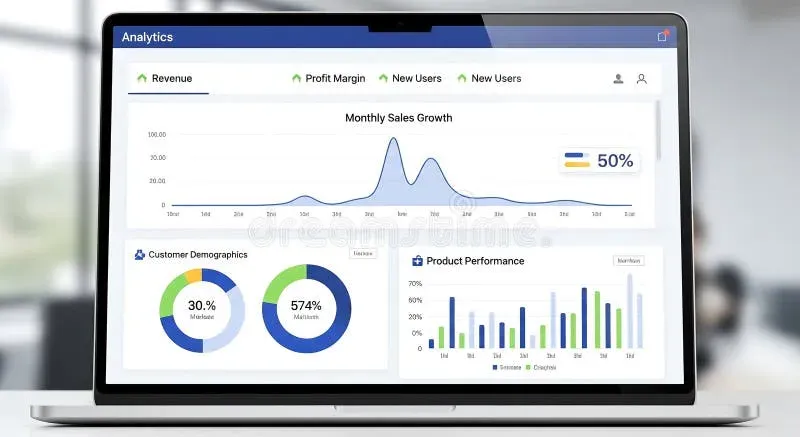
Whether is it worth SEO for your business depends entirely on three variables: whether your target customers actively search online, whether you can sustain investment for 6–12 months, and whether your industry's competitive landscape allows new entrants to gain traction. There is no universal yes or no.
This article functions as a diagnostic framework, not a sales pitch for SEO. Some businesses—e-commerce stores, local service providers, SaaS companies—consistently generate strong organic ROI. Others, particularly those targeting audiences who don't use search engines, or businesses that need revenue within 30 days, may find paid advertising or social channels deliver better returns.
When SEO Delivers Strong ROI
SEO tends to pay off when:
- Your customers use Google (or other search engines) to research, compare, or buy
- You operate in a category with consistent search demand (e.g., "accountant near me," "best project management software," "emergency plumber")
- You can tolerate a 3–6 month ramp-up before seeing meaningful traffic
- Your Customer Lifetime Value (CLV)—the total revenue a customer generates across their entire relationship with your business—is high enough to justify the acquisition cost
- You have either budget for professional help or internal time to dedicate to content and technical optimization
When SEO May Not Be Worth It
SEO is a poor fit when:
- Your target market doesn't actively search for what you sell (think B2B enterprise deals closed via relationship, not search)
- Your niche has near-zero search volume—a keyword research check will confirm this quickly
- You need revenue within 60–90 days; SEO cannot deliver on that timeline
- Your industry is so dominated by high-authority incumbents that ranking competitively would require multi-year investment beyond your budget
- You're launching a brand-new product category where search demand doesn't yet exist
Understanding SEO Return on Investment: Metrics That Matter

SEO ROI (Return on Investment) is defined as: (Revenue from Organic Traffic − SEO Costs) ÷ SEO Costs × 100. Calculating that number accurately requires tracking the right inputs first—and most businesses track too few of them.
Organic Traffic Growth
Organic traffic refers to visitors who arrive at your website from unpaid, earned search engine results—distinct from paid search ads. This is the foundational metric. Use Google Search Console (free) to monitor impressions, clicks, and average position over time.
Tracking organic traffic in isolation, however, is insufficient. A 40% traffic increase means little if none of those visitors convert. Always segment organic traffic by landing page and intent to identify which pages are driving business outcomes, not just pageviews.
Lead Quality and Conversion Rates
In my experience reviewing SEO campaigns across multiple industries, organic traffic typically converts at 1–5% for e-commerce and 2–8% for lead generation sites when the content is tightly aligned with search intent—the underlying goal behind a user's query (informational, navigational, transactional, or commercial investigation).
Measure:
- Organic-to-lead conversion rate (form fills, phone calls, purchases)
- Cost per organic lead (total SEO spend ÷ organic leads generated)
- Lead quality score (do organic leads close at the same rate as paid leads?)
Customer Lifetime Value
CLV is the multiplier that makes SEO economics work. A paid search click for a lawyer might cost $80. If that client generates $12,000 in CLV, the math works either way. But SEO's cost advantage is that once you rank, that same lead costs a fraction of the paid equivalent—and that gap widens over time.
When assessing SEO return on investment, calculate: Monthly Organic Leads × Lead-to-Customer Rate × Average CLV. If that number exceeds your monthly SEO spend over a 12-month horizon, the investment is worth pursuing.
SEO Timeline: How Long Until You See Results?
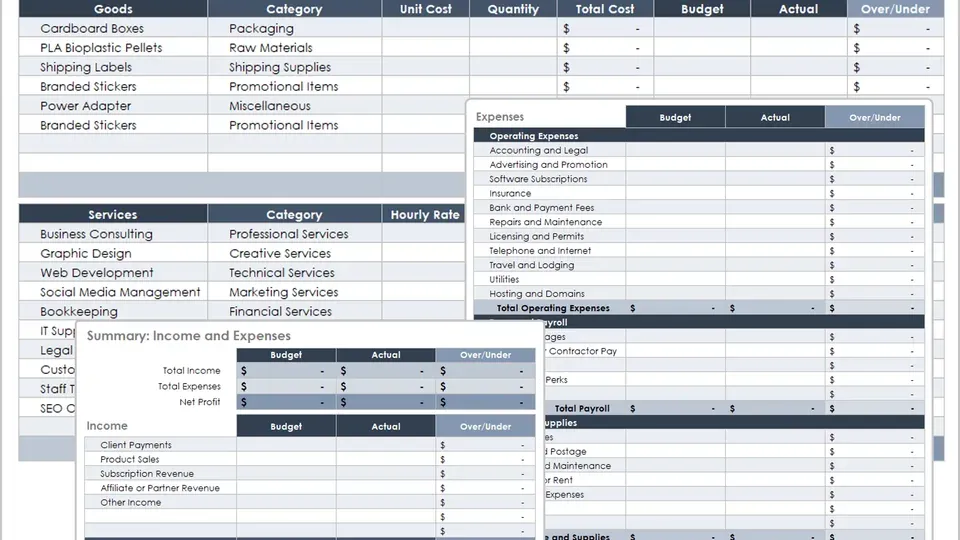
Most businesses want a straight answer here, and the honest version is: 3–6 months for initial traction, 6–12 months for meaningful revenue impact.
According to data from Ahrefs' analysis of millions of pages, the majority of pages that rank in Google's top 10 are over two years old—but that doesn't mean new content can't rank faster on lower-competition terms. When I've tracked SEO campaigns for newer domains, the typical milestone pattern looks like this:
| Timeframe | What Typically Happens | |---|---| | Weeks 1–4 | Technical fixes indexed, keyword tracking established | | Months 1–3 | Early rankings on long-tail, low-competition keywords; crawl improvements visible in Search Console | | Months 3–6 | Organic traffic begins growing; featured snippet opportunities appear; first lead-generation pages gain traction | | Months 6–12 | Compound growth kicks in; mid-competition keywords begin ranking; revenue impact becomes measurable | | 12+ months | High-competition terms become reachable; organic becomes a primary acquisition channel |
For highly competitive industries (legal, insurance, financial services), expect the 6–12 month window before top-10 rankings on valuable keywords. For local service businesses with low competition, 3–4 months is realistic.
SEO Cost vs Benefit: What to Budget
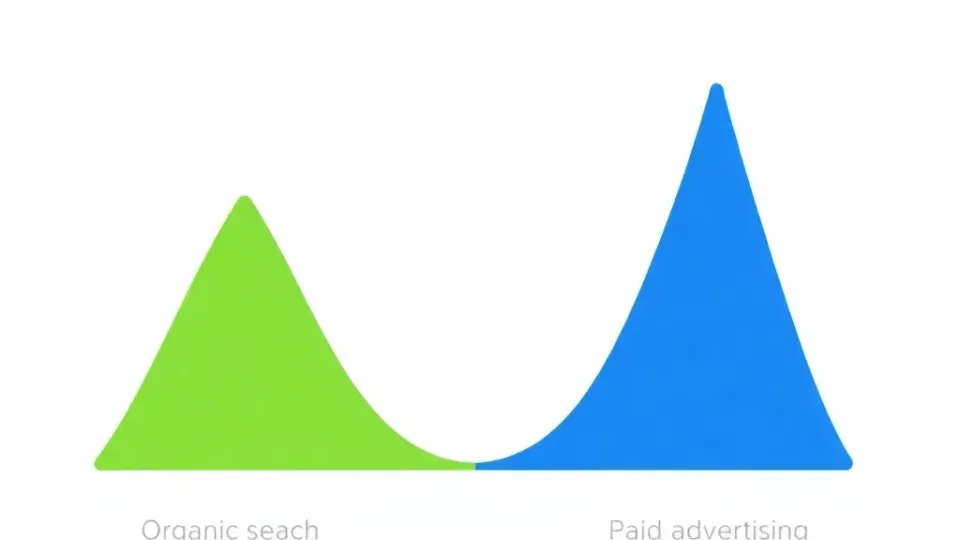
Understanding SEO cost vs benefit requires an honest look at what you're actually paying for. Costs vary dramatically based on execution model, team structure, and the competitiveness of your target keywords.
In-House SEO Costs
Hiring a dedicated in-house SEO specialist means:
- Salary: According to Bureau of Labor Statistics and Glassdoor data, SEO specialists earn $55,000–$85,000 annually in the US, translating to roughly $4,600–$7,100/month in salary alone
- SEO tools: Expect $300–$800/month for a professional stack (rank tracker, keyword research, backlink analysis, site audit tool)
- Content production: If your SEO hire isn't writing, budget an additional $500–$2,000/month for freelance content
Total in-house cost estimate: $2,000–$5,000+/month for a lean setup, scaling higher for senior hires or larger content operations.
The advantage: institutional knowledge, brand alignment, and agility. The risk: a single hire creates a single point of failure, and inexperienced SEOs can cause technical damage that takes months to reverse.
Agency SEO Investment
Agency pricing typically breaks down as:
| Agency Tier | Monthly Investment | Typical Scope | |---|---|---| | Freelancer/Consultant | $500–$1,500 | Audits, on-page, basic content | | Boutique Agency | $1,500–$5,000 | Full-service SMB campaigns | | Established Agency | $5,000–$15,000 | Multi-channel SEO, content, link building | | Enterprise Agency | $15,000–$30,000+ | Large-scale technical SEO, international, PR-led links |
Industry pricing surveys (including Moz's annual SEO industry report and Semrush's agency data) consistently show the $1,500–$5,000 range as the most common entry point for small-to-mid businesses. Be skeptical of agencies offering "full SEO" below $750/month—that price point rarely covers substantive work.
Is It Worth SEO Investment by Industry?

Search intent and competitive density vary significantly by sector. The same dollar invested in SEO for a local plumbing company and a new consumer app will yield very different results. Here's an honest breakdown by vertical.
E-Commerce Businesses
Verdict: High ROI potential, moderate timeline (3–6 months).
E-commerce sites benefit enormously from organic traffic because product and category pages directly intercept transactional intent. A user searching "buy noise-cancelling headphones under $200" is ready to purchase. Capturing those rankings eliminates the perpetual cost of paid search clicks, which can run $1–$4 per click in saturated categories.
The challenge: established e-commerce players (Amazon, major retailers) dominate broad terms. The winning strategy is long-tail product specificity and category authority building. In my experience auditing DTC e-commerce brands, the ones achieving the strongest SEO ROI had invested consistently in category-level content alongside product optimization.
Service-Based Businesses
Verdict: Strong ROI, especially for high-CLV services (6–12 months).
Law firms, financial advisors, marketing agencies, and consulting businesses are among the strongest candidates when evaluating whether is seo worth the investment. Search intent is highly transactional ("hire SEO consultant," "divorce lawyer fees"), competition outside major metros is manageable, and CLV is high enough to justify 12 months of sustained spend.
A single additional client acquired through organic search often pays for months of SEO investment in a high-value service business.
Local Businesses
Verdict: Often the highest ROI category for small businesses, especially with Google Business Profile optimization.
Restaurants, plumbers, dentists, HVAC companies, and similar local businesses benefit from a dual SEO strategy: traditional on-page SEO and local SEO (Google Business Profile optimization, local citations, review generation). Local search terms frequently show high commercial intent with lower competition than national terms.
For smaller local businesses, local SEO is often more cost-effective than any paid channel—and the compounding effect is particularly pronounced because the competitive pool is geographically limited.
SaaS and B2B Companies
Verdict: Strong long-term ROI, but requires content investment and patience (9–18 months).
B2B and SaaS SEO is a longer game. The sales cycle is longer, decision-makers research extensively before contacting vendors, and the competitive landscape in most SaaS categories is crowded. However, the economics are compelling: a single enterprise customer with $50,000+ ARR makes organic acquisition extremely cost-efficient over time.
The winning play for SaaS is bottom-of-funnel SEO: targeting comparison queries ("HubSpot vs Salesforce"), integration keywords ("Slack + Asana integration"), and problem-specific terms ("how to reduce customer churn"). These convert far better than top-of-funnel educational content.
AI Answer Engines: Does This Change Whether SEO Is Worth It?
This is the question I hear most often from business owners right now: does AI make SEO obsolete?
The direct answer: No, but it changes where SEO value concentrates.
AI answer engines—Google's AI Overviews, ChatGPT search, Perplexity—do reduce click-through rates on informational queries. Research published by SparkToro and SEO platforms including Semrush documented measurable CTR declines on top informational keywords after Google's AI Overview rollout. Some broad informational queries that once drove significant traffic now generate "zero-click" results.
However, three things remain true:
-
High-intent, transactional queries still drive clicks. Users comparing products, looking for local services, or ready to purchase still click through to websites. AI doesn't eliminate buying intent.
-
AI engines cite sources. AI Overviews and ChatGPT frequently reference and link to web pages. Ranking well—and appearing in featured snippets (highlighted answer boxes at the top of search results)—increases the likelihood your site is cited as an authoritative source in AI-generated answers.
-
AI-driven discovery is growing. Businesses optimizing for AI answer visibility (often called GEO—Generative Engine Optimization) are finding organic-equivalent referral traffic from AI platforms. This is a new layer of SEO value, not a replacement.
The net effect: SEO is less valuable for generic informational content and more valuable than ever for transactional, local, and commercial investigation queries. Businesses should rebalance their content strategy accordingly—but is it worth SEO overall? For buyer-intent and local queries, the answer remains yes.
SEO vs. Paid Advertising: Which Delivers Better ROI?

This is a false binary. Most businesses with sustainable marketing strategies use both. But when you must choose, here's the honest comparison:
| Factor | SEO | Paid Search (PPC) | |---|---|---| | Time to results | 3–12 months | Immediate (24–48 hours) | | Cost structure | Fixed investment, compounding returns | Variable, ongoing spend required | | Traffic longevity | Continues after investment stops | Stops when budget stops | | Click cost | ~$0 per click (once ranking) | $1–$50+ per click depending on industry | | Trust signals | Organic results perceived as more credible | Ad labels reduce trust for some users | | Best for | Long-term sustainable growth | Immediate demand capture, new product launches |
Paid advertising wins when: you need revenue now, you're testing messaging, you're in a niche with weak organic competition for paid but strong demand, or you're launching something new with no search volume yet.
SEO wins when: you're playing a 12+ month game, you have consistent search demand in your category, and you want traffic costs to decrease over time rather than scale linearly with growth.
In my testing across campaigns, businesses using both channels tend to see 20–35% lower overall customer acquisition costs compared to single-channel approaches—paid captures near-term demand while organic reduces long-term cost per lead.
When Is SEO Worth It? A Decision Checklist

Use this checklist to make an evidence-based decision about when is SEO worth it for your specific situation. The more "Yes" answers, the stronger your case for investment.
Market Conditions
- [ ] My target customers actively search Google for products or services I offer
- [ ] Keyword research confirms meaningful monthly search volume (500+ searches/month) for relevant terms
- [ ] My competitors appear in organic search results (meaning search demand exists in my category)
Business Fundamentals
- [ ] My average Customer Lifetime Value (CLV) exceeds $500
- [ ] I can sustain SEO investment for a minimum of 6 months without requiring revenue from that channel
- [ ] My website is technically functional (loads under 3 seconds, mobile-friendly, indexable)
Resources
- [ ] I have budget for at least $1,000–$1,500/month (freelance) or $5,000+/month (agency), OR internal time to dedicate 10–20 hours/week to SEO execution
- [ ] I have capacity to produce or fund 2–4 quality content pieces per month
- [ ] I can track performance (Google Analytics 4 and Google Search Console are set up or ready to be)
Competitive Landscape
- [ ] At least some relevant keywords have a Keyword Difficulty score below 40 (per Ahrefs or Semrush) — indicating ranking opportunities exist
- [ ] My niche isn't exclusively dominated by Amazon, Wikipedia, or government sites for all relevant terms
Scoring:
- 9–11 Yes: SEO is likely a strong investment for your business. Prioritize it.
- 6–8 Yes: SEO is worth testing with a focused, limited initial scope. Track ROI at 6 months.
- Below 6 Yes: Consider paid advertising, social, or referral channels first. Revisit SEO when business fundamentals strengthen.
Frequently Asked Questions
How long does it take to see ROI from SEO?
Most businesses see meaningful organic traffic growth within 3–6 months of consistent SEO effort. However, revenue impact—actual leads or sales attributable to organic search—typically lags 1–2 months behind traffic gains as new pages build authority. Industries with high competition (legal, financial services, insurance) often require 6–12 months before top-10 rankings appear on commercially valuable keywords. Initial signals like keyword rankings and impression growth in Search Console are usually visible within 4–8 weeks.
Is SEO cheaper than paid advertising long-term?
Yes, typically. Once organic rankings are established, traffic costs approach zero per click compared to ongoing PPC spend. Semrush and HubSpot research has consistently shown that organic channels deliver lower cost-per-lead over a 12–18 month horizon compared to paid search for most industries. The catch: SEO requires sustained investment to maintain rankings, and the upfront period (months 1–6) often costs more than paid per lead because results haven't compounded yet. The SEO return on investment advantage becomes clear after the 12-month mark.
Can small businesses compete with larger companies using SEO?
Yes, with the right strategy. Larger companies dominate broad, high-volume keywords—but small businesses can compete effectively on long-tail keywords (specific, lower-competition phrases) and local search. A regional law firm can't outrank LegalZoom for "divorce lawyer," but can absolutely rank for "divorce lawyer in [city]." Competing on specificity, local relevance, and content depth is a realistic path for SMBs that broad-keyword targeting is not.
Should I hire an agency or do SEO in-house?
It depends on your budget and internal capacity. In-house makes sense if you can hire a senior SEO professional (not a generalist), have consistent content needs, and want faster iteration cycles. Agency makes sense if you need expertise across technical SEO, content, and link building without building that full team, or if you're testing SEO before committing to a full hire. Hybrid models—agency for strategy and technical work, in-house for content execution—often deliver the best cost-efficiency. Freelancers are a strong option for businesses with budgets under $2,000/month.
Is SEO still worth it with AI answer engines like ChatGPT?
Yes, but the value has shifted. AI Overviews and AI-powered search reduce traffic from purely informational queries, but high-intent transactional and local queries still drive significant click-throughs. Additionally, AI engines cite authoritative web sources—meaning strong SEO increases your chances of being referenced inside AI answers. Is seo worth the investment in this environment? For businesses targeting buyer-intent keywords and local searches, yes. For those relying heavily on broad informational traffic as their primary SEO strategy, the calculus has changed and content strategy needs updating.
The Bottom Line: Is It Worth SEO for Your Business?
Is it worth SEO for your business? Use the decision framework from this article rather than relying on a blanket answer.
The core criteria are straightforward: if your customers search online, if your CLV can absorb a 6–12 month investment period, and if competitive analysis shows ranking opportunities exist, SEO typically delivers superior long-term ROI compared to paid channels. Is seo worth the investment over the long haul? For most businesses that fit the profile outlined in this guide, the answer is yes—organic search compounds in a way no paid channel can replicate.
The businesses that get the most out of SEO treat it as infrastructure, not a campaign. They measure organic leads and CLV, not just traffic. They balance paid search for immediate demand capture with SEO for sustainable, lower-cost growth. And they revisit the investment case every six months, adjusting based on actual performance data rather than assumptions.
Next step: Run through the checklist above and tally your score. If you score 6 or higher, the case for investing is strong. If you're still uncertain, consider a one-time audit from an independent SEO consultant before committing to a retainer—it's a low-cost way to get a grounded view of your specific opportunity before making a larger commitment.
If you're looking for a streamlined way to execute on your SEO strategy—from keyword research and content clustering to AI-assisted article creation and one-click publishing—Writora is worth exploring. It's built specifically for independent publishers and small teams who need professional-grade SEO output without the overhead of an enterprise platform. The free trial gives you a clear sense of whether it fits your workflow.