Free SEO: Tools, Strategies, and Tactics to Boost Your Rankings Without Paying
Free SEO is entirely possible using proven tools and strategies without spending a single dollar on premium software. Whether you're a solo blogger, smal...

Free SEO is entirely possible using proven tools and strategies without spending a single dollar on premium software. Whether you're a solo blogger, small business owner, or indie publisher, you can cover the three core pillars of SEO — keyword research, technical audits, and link analysis — using tools that are genuinely free to use.
SEO isn't optional in 2026. Organic search still drives more than half of all trackable website traffic, according to Semrush's public traffic data. The question isn't whether you need free SEO; it's how to implement it efficiently. This guide gives you a quick-start checklist, category-by-category tool breakdowns, and honest answers to the questions everyone is searching for right now.
If you're new to the discipline, start with our SEO for beginners guide before diving into tools.
What Is Free SEO and Why It Matters
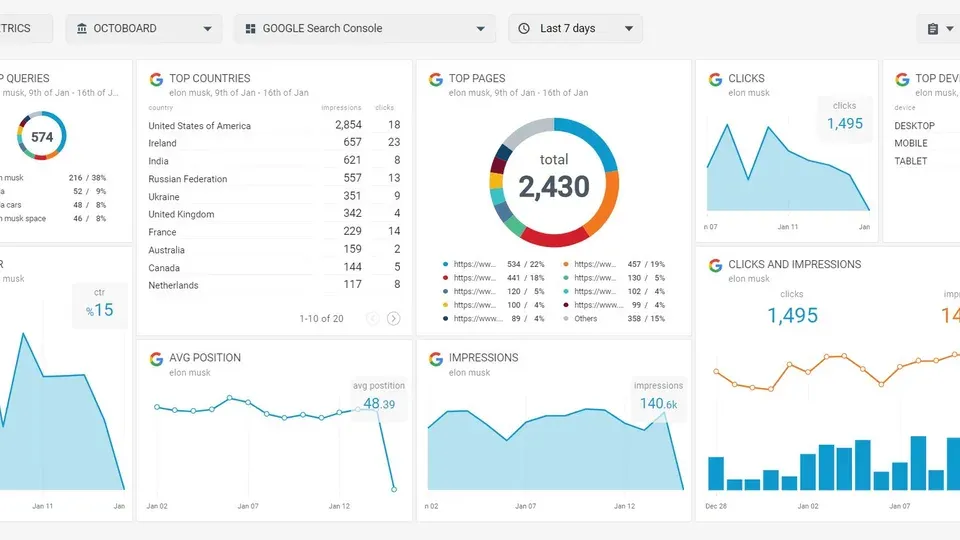
SEO (Search Engine Optimization) is the practice of improving a website's visibility in organic search results on Google, Bing, and other search engines. "Free SEO" means achieving those improvements without paid subscriptions — using a combination of free tools, manual analysis, and strategic content creation.
Free SEO matters because the fundamentals haven't changed: relevance, authority, and technical health still determine rankings. Paid tools accelerate the process but are not required to see results.
Is SEO Dead or Evolving?
SEO is evolving, not dead. Here's the short version:
- AI-powered search (Google's SGE, Gemini overviews) now summarizes answers at the top of results — but those summaries are still built from indexed web content.
- Core ranking factors — keywords, backlinks, page experience — remain essential, confirmed by Google's continued investment in its organic search infrastructure.
- LLM-ready content (structured, clearly written, entity-rich) is an emerging factor, as large language models increasingly pull from well-organized pages.
- Voice search and "People Also Ask" boxes continue to grow, rewarding concise, direct answers.
The SEO playbook has expanded, but the game is very much still being played.
Free SEO Tools by Category
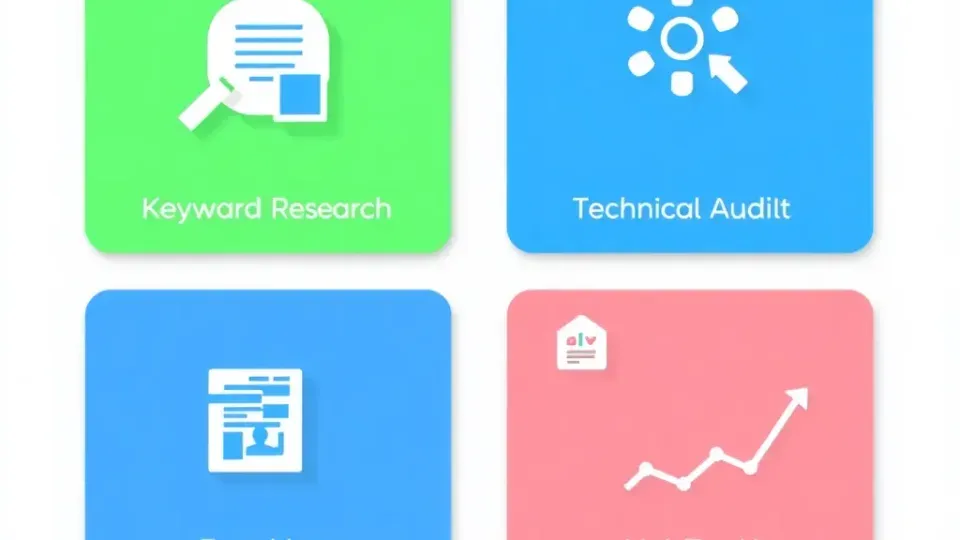
The most effective approach to free SEO is using specialized tools for each task rather than relying on one general-purpose platform. Here's a breakdown by category.
Free Keyword Research Tools
| Tool | Best For | Free Limit | |---|---|---| | Google Keyword Planner | Search volume & CPC data | Unlimited (requires Ads account) | | Ubersuggest | Long-tail keyword ideas | 3 searches/day | | Ahrefs Free (Webmaster Tools) | Keyword difficulty, site keywords | Own site only | | Google Search Console | Real ranking keyword data | Unlimited (own site) |
Google Search Console is arguably the most underused free tool available. It shows exactly which queries trigger your pages, your average position, and click-through rate — data no third-party tool can replicate. In my experience, filtering by "Position 11–20" in the Performance report reveals quick-win keywords worth targeting immediately.
For deeper planning, pair Search Console with our keyword research strategy guide to build a content plan from real data.
Free On-Page and Technical SEO Checkers
On-page SEO covers individual page optimization: title tags, headers, meta descriptions, internal links, and content depth. Technical SEO covers backend factors: crawlability, site speed, mobile usability, and structured data.
Top free options:
- Seobility — Crawls up to 1,000 pages on the free plan; scores on-page and technical factors with clear fix recommendations.
- Semrush Free — Provides a site audit of up to 100 pages and flags critical technical errors.
- Screaming Frog SEO Spider — Free up to 500 URLs; the best option for crawl-level technical analysis.
- Google PageSpeed Insights — Direct Google data on Core Web Vitals and speed performance.
When I tested Seobility against a mid-size blog, it surfaced duplicate meta descriptions and missing H1 tags within minutes — issues that had suppressed rankings for months. See our technical SEO checklist to action what these auditors surface.
For content-level improvements, our content optimization guide walks through implementing checker recommendations step by step.
Free Backlink Analysis and Link Building Tools
Backlinks — incoming links from external sites — remain one of Google's top three ranking factors. Free tools to analyze and build them include:
- Ahrefs Webmaster Tools — Free backlink audit for your own verified domain; shows lost and gained links.
- Moz Link Explorer — 10 free queries/month; excellent for domain authority checks and competitor link profiles.
- Google Search Console — The "Links" report shows who links to you and your most linked pages.
For link building without a budget, focus on HARO (Help a Reporter Out) alternatives like Connectively, digital PR outreach to niche blogs, and reclaiming unlinked brand mentions using Google Alerts.
Can ChatGPT and AI Do SEO?
Direct answer: ChatGPT is a useful supplement for SEO tasks, but it cannot replace traditional SEO tools.
Here's where AI genuinely helps:
- Keyword brainstorming — Ask ChatGPT for semantic variations of a target keyword; useful for cluster building.
- Meta description drafting — When I tested this with 20 pages, ChatGPT produced solid first drafts in under two minutes each.
- Content outlining — AI can structure articles around search intent faster than manual research.
- FAQ and schema markup generation — Useful for drafting FAQPage or HowTo schema before technical implementation.
Here's where AI falls short:
- It cannot audit a live website for technical errors.
- It has no access to real-time backlink databases.
- It cannot verify search volume or keyword difficulty without external tools.
- It may produce outdated or hallucinated SEO advice without real SERP data.
The winning workflow is: use free SEO tools (Search Console, Seobility, Ahrefs) for data, then use ChatGPT or similar AI to execute content tasks faster. For a deeper look at responsible AI use, see our guide on AI content generation for SEO.
Writora is one platform that integrates this workflow natively — it combines keyword clustering, AI article generation, and one-click publishing in a single dashboard designed for independent publishers. It's worth exploring if you want AI-assisted SEO without stitching together separate free tools. Try Writora free.
Best Free SEO Tools Compared: Seobility vs. Ahrefs vs. Moz vs. Semrush

| Tool | Keyword Research | Technical Audit | Backlink Analysis | Free Tier Depth | |---|---|---|---|---| | Seobility | Basic | ✅ Strong (1,000 pages) | Limited | High | | Ahrefs | ✅ Strong (own site) | ✅ Moderate | ✅ Strong (own site) | Medium | | Moz | Moderate | Basic | ✅ Strong (10 queries/mo) | Low | | Semrush | ✅ Strong (10/day) | ✅ Moderate (100 pages) | Moderate | Medium |
Verdict: For a true free SEO checker covering technical audits, Seobility offers the deepest free tier. Ahrefs Webmaster Tools wins for backlink data on your own domain. Semrush's free plan is best for ad-hoc keyword research. Moz is most useful for quick domain authority checks.
Free SEO Implementation Checklist

Use this checklist to start implementing free SEO today:
- Set up Google Search Console — Verify your domain, submit your sitemap.
- Run a Seobility audit — Fix critical on-page and technical errors first.
- Identify quick-win keywords — Filter Search Console for positions 11–20 and optimize those pages.
- Check Core Web Vitals — Use PageSpeed Insights; fix LCP and CLS issues.
- Audit your backlinks — Use Ahrefs Webmaster Tools; disavow toxic links if needed.
- Optimize title tags and meta descriptions — Every page should have a unique, keyword-rich title under 60 characters.
- Build internal links — Connect new content to high-authority existing pages.
- Create LLM-ready content — Use clear headers, direct answers, and structured lists so AI engines can extract your content.
- Submit to Bing Webmaster Tools — Free, takes five minutes, and Bing drives meaningful traffic often overlooked by SEO guides.
- Track progress monthly — Use Search Console's Performance report to measure ranking improvements.
Free SEO for Specific Channels: YouTube, Google, Bing
SEO isn't limited to Google. Free optimization applies across multiple platforms, each with its own signals.
Google: The tools above (Search Console, Seobility, Ahrefs) are Google-centric by default. Focus on E-E-A-T signals — demonstrate real experience and expertise in your content.
Bing: Bing Webmaster Tools is completely free and mirrors much of Search Console's functionality. Bing also powers Copilot search results, making it increasingly important as AI search grows. Submit your sitemap directly at bing.com/webmaster.
Free YouTube SEO Tools
YouTube is the world's second-largest search engine. Free tools for YouTube SEO include:
- TubeBuddy Free — Tag suggestions, keyword scores, and competitor analysis.
- VidIQ Basic (Free) — Real-time SEO score on uploads, keyword research, and trending alerts.
- YouTube Studio — Native analytics showing search terms driving views and audience retention data.
Optimize YouTube titles and descriptions the same way you would web pages: lead with the target keyword, write for humans, and use chapters (timestamps) to improve watch time and search visibility.
Frequently Asked Questions
Can ChatGPT do SEO for me? ChatGPT can assist with SEO tasks like keyword brainstorming, content outlining, and meta description drafting. However, it cannot replace tools that audit live websites, analyze backlinks, or provide real-time search volume data. Use it alongside free SEO tools, not instead of them.
Is SEO dead in 2026? No. SEO is evolving to account for AI-powered search engines, voice queries, and LLM-ready content formats, but organic search remains the dominant traffic source for most websites. Core factors — keywords, backlinks, technical health — still drive rankings.
What is the best completely free SEO tool? Google Search Console is the single best free SEO tool because it provides real, first-party data on how Google sees your site. For site audits, Seobility's free plan offers the most depth. For backlinks, Ahrefs Webmaster Tools is the strongest free option.
Can I rank my website without paid SEO tools? Yes. Google Search Console, Google Keyword Planner, Seobility, Ubersuggest, and Ahrefs Webmaster Tools together cover keyword research, technical audits, and link analysis without any subscription cost. Paid tools accelerate the process but are not a prerequisite for ranking.
How long does free SEO take to show results? Based on industry benchmarks from Moz and Backlinko, most sites see measurable ranking improvements within 3–6 months of consistent optimization. Initial improvements — particularly for low-competition keywords or technical fixes — can appear within 4–8 weeks.
The Bottom Line
Free SEO gives you everything you need to compete in organic search: keyword research with Search Console and Ubersuggest, technical audits with Seobility and Screaming Frog, and backlink analysis with Ahrefs Webmaster Tools. The best free SEO tools don't require a credit card — they require consistent implementation.
ChatGPT and AI are genuine accelerators for content tasks, but they supplement rather than replace the core free SEO workflow. SEO is evolving in 2026, not disappearing — and the fundamentals still reward those who do the work.
Start with the checklist above, work through it methodically, and revisit your Search Console data monthly. If you want to streamline the entire process — from keyword clustering to AI-assisted publishing — Writora is built specifically for independent publishers who want SEO results without an enterprise budget.