Definition for SEO: A Complete Guide to Search Engine Optimization
SEO (Search Engine Optimization) is the practice of improving a website's visibility in search engine results through optimized content, technical improv...

SEO (Search Engine Optimization) is the practice of improving a website's visibility in search engine results through optimized content, technical improvements, and authority building. That single sentence captures the core definition for SEO — but the real story is in what it means for your business.
Consider this: organic search drives over 53% of all website traffic, according to BrightEdge research. Unlike paid advertising, where traffic stops the moment you stop spending, SEO compounds over time. A well-optimized page published today can generate qualified visitors for years — often at a fraction of the cost per click compared to Google Ads.
This guide covers everything you need to understand and apply SEO effectively:
- The precise definition and why it matters
- How search engines actually work (crawling, indexing, ranking)
- The three types of SEO and their tactics
- Key ranking factors and how to influence them
- Where SEO fits in your broader digital marketing strategy
- A practical beginner checklist to get started immediately
- Common myths that waste time and money
- Answers to the most frequently asked questions
Whether you're a business owner, a marketer, or a curious beginner, this guide gives you a complete, grounded understanding of SEO from first principles to practical action.
Definition for SEO: What It Actually Means and Why It Matters
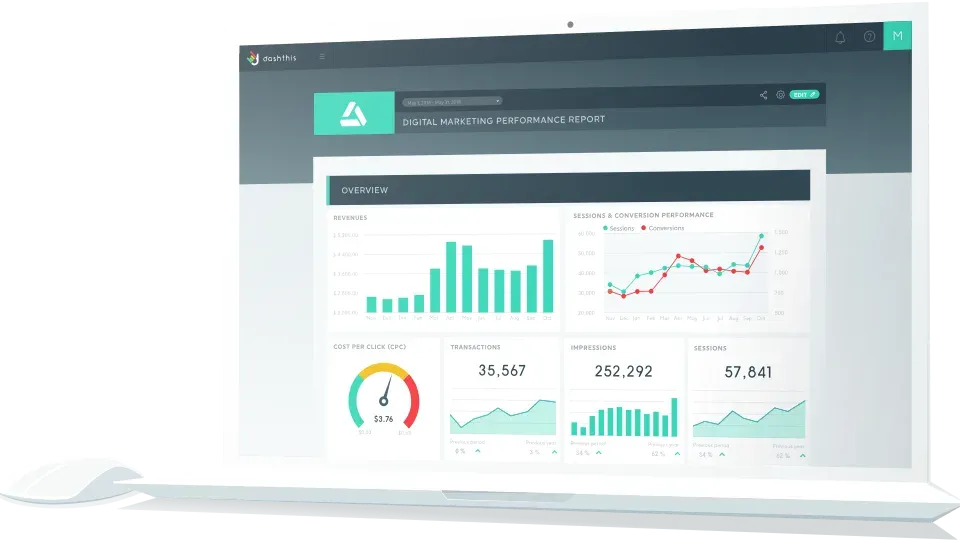
The Simple Search Engine Optimization Definition
SEO (Search Engine Optimization) is the practice of improving a website's visibility and ranking in organic (unpaid) search engine results through content optimization, technical improvements, and authority building. The goal is to attract free, qualified traffic from search engines like Google, Bing, and others.
The search engine optimization definition breaks down into three words worth examining individually:
- Search Engine — the platform (Google, Bing, DuckDuckGo) that people use to find information
- Optimization — the systematic process of making something perform better against a defined standard
- Together — improving how well your website performs within search engine systems
The SEO meaning in marketing is about earning visibility rather than buying it. When someone types a query into Google, your page either appears in the organic results (the non-ad listings) or it doesn't. SEO is everything you do to make sure it does — and appears as high as possible.
A practical example: a local bakery that optimizes its website for "gluten-free bread [city name]" can appear at the top of search results when nearby customers are actively looking to buy. That's the definition for SEO working as intended — connecting searchers with relevant, trustworthy answers.
Why SEO Matters for Your Business
The business case for SEO is built on three pillars: volume, cost-efficiency, and longevity.
Volume: Google processes approximately 8.5 billion searches per day. Even capturing a fraction of the searches relevant to your business can represent a significant, consistent traffic stream. For most industries, organic search is the single largest channel for new visitor acquisition.
Cost-efficiency: Paid search (Google Ads) charges you per click, and costs escalate with competition. According to WordStream benchmarks, average cost-per-click across industries ranges from $2 to over $10, with competitive categories like legal or insurance exceeding $50 per click. SEO, once established, delivers clicks at near-zero marginal cost.
Longevity: A well-ranking page can hold its position for months or years. HubSpot's research consistently shows that top-performing blog content generates the majority of its total traffic 12–24 months after publication — not in the first week. Paid ads deliver instant traffic that disappears when the budget runs out; SEO builds a durable asset.
For small businesses, startups, and independent publishers especially, SEO is often the highest-ROI marketing channel available. It rewards consistency, quality, and strategic thinking over raw spending power.
How SEO Works: The Search Engine Process
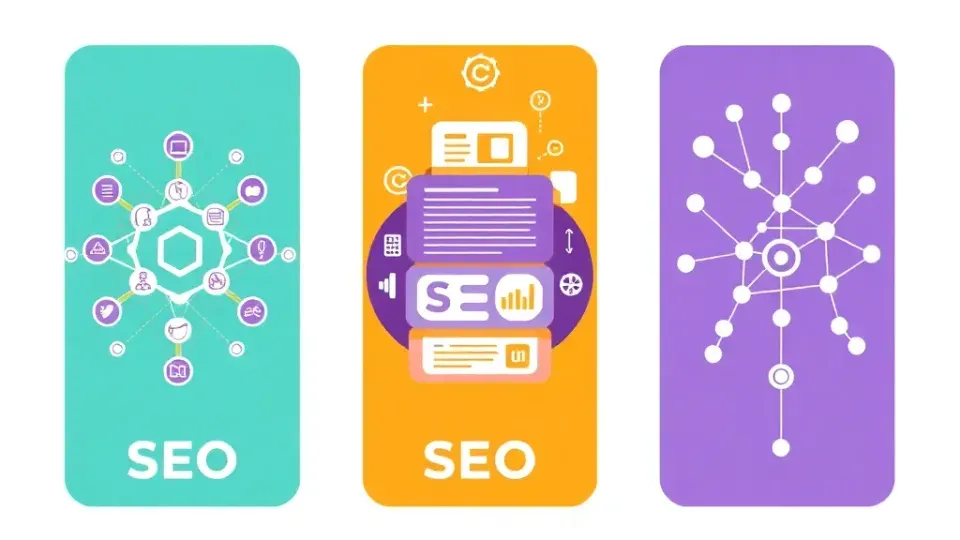
Understanding how SEO works requires understanding what search engines actually do before they show you results. There are three sequential stages: crawling, indexing, and ranking.
Crawling: How Search Engines Find Your Content
Crawling is the discovery phase. Search engines use automated programs called spiders or crawlers (Google's is called Googlebot) that continuously browse the web by following links from page to page.
When Googlebot visits a URL, it reads the page's HTML, identifies links on that page, and adds those links to a queue for future crawling. This is why internal linking matters — it creates pathways that help crawlers discover all of your content.
Several factors affect crawlability:
- Robots.txt: A file that tells crawlers which pages they're allowed or not allowed to visit
- Sitemap.xml: A structured map of your site's URLs that you submit to Google Search Console
- Crawl budget: Large sites have a finite number of pages Google will crawl in a given period; wasting it on low-value pages is a common technical mistake
- Broken links and redirect chains: These slow down or block crawl paths
If Googlebot can't reach your page, nothing else matters. Crawlability is the foundation that everything else rests on.
Indexing: Organizing Content in Search Results
Once a page is crawled, Google processes and stores it in a massive database called the index. Indexing involves analyzing the page's content, structure, and metadata to understand what it's about.
During indexing, Google evaluates:
- The primary topic and related entities on the page
- Structured data (schema markup) that labels content types
- Image alt text, heading hierarchy, and internal link context
- Canonical tags that tell Google which URL is the authoritative version when duplicate content exists
You can check whether your pages are indexed by searching site:yourdomain.com in Google or using the URL Inspection tool in Google Search Console. A page that isn't indexed will never appear in search results — which is a surprisingly common issue on poorly maintained websites.
Ranking: How Google Determines Search Position
Ranking is where the competitive aspect of SEO lives. Once Google has indexed thousands of pages on similar topics, it uses its algorithm to decide which pages appear in which order for a given query.
Google's algorithm evaluates hundreds of signals simultaneously. While Google has never published a complete list, several factors are confirmed through documentation, patents, and systematic research by the SEO industry:
- Relevance: Does the page directly address the search query's intent?
- Authority: How many high-quality sites link to this page and domain?
- Experience and Expertise: Is the content written by someone with genuine knowledge? (This connects to Google's E-E-A-T framework.)
- User Experience: Is the page fast, mobile-friendly, and easy to navigate?
- Freshness: For time-sensitive queries, how recently was the content updated?
Importantly, ranking is not static. Google re-crawls pages regularly and adjusts rankings as it discovers new content, as competitors improve their pages, and as user behavior data signals that certain results are satisfying (or not satisfying) searcher intent.
Types of SEO: Technical, On-Page, and Off-Page

The field of SEO is typically divided into three interconnected disciplines. Understanding each is essential to building a complete strategy — and to fully applying the definition for SEO in practice.
| SEO Type | Primary Focus | Key Tactics | |---|---|---| | Technical SEO | Site infrastructure and performance | Site speed, mobile optimization, crawlability, schema markup | | On-Page SEO | Content and HTML elements | Keyword targeting, title tags, meta descriptions, headings, internal links | | Off-Page SEO | External authority and reputation | Link building, brand mentions, digital PR, reviews |
Technical SEO
Technical SEO refers to optimizations made to a website's infrastructure — the backend code, server configuration, and architecture — that help search engines crawl and index the site efficiently.
This discipline answers the question: Can Google access, understand, and trust my website?
Key technical SEO elements include:
- Page speed: Google confirmed page speed as a ranking signal in 2021 through Core Web Vitals. Pages loading under 2.5 seconds for Largest Contentful Paint (LCP) are considered "good" by Google's standards.
- Mobile-first indexing: Google now primarily uses the mobile version of a website for indexing and ranking. If your mobile experience is poor, your rankings will reflect it.
- HTTPS/SSL: Secure sites (those with HTTPS) receive a ranking boost, confirmed by Google in 2014 and reinforced in subsequent algorithm updates.
- Structured data (Schema markup): Adding machine-readable labels to your content helps Google display rich results (star ratings, FAQs, product prices) in search.
- Core Web Vitals: Google's specific performance metrics measuring loading, interactivity, and visual stability.
Running a technical SEO audit on your site is the recommended first step for any SEO effort. Technical problems upstream block all downstream SEO gains.
On-Page SEO
On-Page SEO covers every optimization made directly on a webpage to improve its relevance and quality for both users and search engines.
This is where keyword research becomes central. Identifying the terms your audience searches for — and then using them strategically in your content — is the core task of on-page SEO. A comprehensive keyword research process involves analyzing search volume, competition level, and the intent behind each query.
Key on-page elements to optimize:
- Title tag: The HTML
<title>element that appears in browser tabs and search result headlines. Should include the primary keyword and be under 60 characters. - Meta description: The snippet shown beneath your title in search results. Doesn't directly impact ranking but affects click-through rates significantly.
- H1 and heading structure: Use one H1 per page that clearly states the topic. Use H2/H3 headings to organize subtopics and naturally incorporate secondary keywords.
- Content quality and depth: Thin content (fewer than 300 words with little substance) rarely ranks well. Comprehensive coverage of a topic signals expertise to Google's quality evaluators.
- Internal linking: Linking to related pages on your own site distributes ranking authority and helps crawlers discover content.
- Image optimization: Descriptive file names and alt text make images searchable and accessible.
- E-E-A-T signals: Google's framework — Experience, Expertise, Authoritativeness, Trustworthiness — shapes how quality raters evaluate content. Author bios, citations, original data, and transparent sourcing all contribute to strong E-E-A-T.
Off-Page SEO
Off-Page SEO refers to actions taken outside of your website that influence your search rankings. The most powerful of these is link building — earning backlinks from other websites.
Backlinks are hyperlinks from external sites pointing to yours. Search engines treat these as votes of confidence. A link from a high-authority site (think a major news outlet, academic institution, or respected industry publication) carries significantly more weight than a link from an unknown blog.
According to Ahrefs' research, pages with more referring domains consistently rank higher across virtually all industries — making link acquisition one of the highest-impact off-page activities available.
Off-page SEO tactics include:
- Digital PR: Creating genuinely newsworthy content that earns media coverage and links
- Guest posting: Contributing expert articles to industry publications with a link back to your site
- Broken link building: Finding dead links on relevant sites and suggesting your content as a replacement
- Brand mentions: Unlinked mentions of your brand that can be converted into links through outreach
- Local citations: For local businesses, consistent Name/Address/Phone (NAP) data across directories signals legitimacy
The core principle is simple: earn links by creating content and building a reputation that others genuinely want to reference.
Key SEO Ranking Factors That Influence Search Position
While Google's algorithm is complex and evolving, the ranking factors that consistently matter most are well-documented through Google's own communications and third-party research. Understanding these factors is central to applying the definition for SEO in a way that drives real results.
Here's a structured overview of the most impactful ranking signals:
| Ranking Factor | Category | Impact Level | Notes | |---|---|---|---| | Content relevance & quality | On-Page | Very High | Must match search intent; depth matters | | Backlinks (quantity & quality) | Off-Page | Very High | Authority from trusted domains | | Page experience (Core Web Vitals) | Technical | High | Especially LCP, FID/INP, CLS | | Mobile-friendliness | Technical | High | Google uses mobile-first indexing | | HTTPS | Technical | Medium | Baseline trust signal | | Keyword usage in title/H1 | On-Page | Medium-High | Signals topical relevance | | Internal linking | On-Page | Medium | Distributes PageRank | | E-E-A-T signals | On-Page/Off-Page | High | Critical for YMYL topics | | Site architecture & crawlability | Technical | Medium-High | Affects index coverage | | User engagement signals | Behavioral | Medium | CTR, dwell time (indirect) | | Freshness | On-Page | Variable | High for news/time-sensitive queries | | Structured data | Technical | Low-Medium | Enables rich results |
A few nuances worth noting:
There is no single "most important" ranking factor. Google's systems evaluate signals in combination. A page with exceptional backlinks but poor content quality won't rank well. A page with excellent content but zero authority may struggle in competitive niches. Balance across all three SEO types is what drives sustainable results.
E-E-A-T is not a direct ranking factor, but a quality framework. Google's Search Quality Rater Guidelines describe E-E-A-T as the lens through which human quality raters evaluate search results. These evaluations don't directly change an algorithm, but they inform how Google trains its systems over time. Writing with genuine expertise and transparent sourcing is the correct strategic response.
Google has confirmed over 200 signals exist within its ranking systems — though the precise list and weights are not public. Chasing every signal is counterproductive; focusing on the high-impact factors above drives the vast majority of SEO outcomes.
SEO in Digital Marketing: Where It Fits In

Understanding SEO meaning in marketing requires placing it within the broader digital marketing ecosystem.
Digital marketing encompasses a range of channels:
- SEO — organic search visibility
- SEM/PPC — paid search advertising (Google Ads, Bing Ads)
- Social media marketing — organic and paid on platforms like LinkedIn, Instagram, TikTok
- Email marketing — direct audience communication
- Content marketing — creating valuable content to attract and retain audiences
- Display advertising — banner and visual ads across the web
SEO and content marketing are deeply intertwined — SEO identifies what topics and keywords to target; content marketing produces the material. When aligned, they create a compounding asset: each piece of content is a long-term entry point for organic traffic.
SEO vs. Paid Search (SEM): A Critical Distinction
A frequent point of confusion is the relationship between SEO and SEM (Search Engine Marketing). Here's the clear distinction:
- SEO = Earning organic, unpaid search rankings through optimization
- SEM/PPC = Paying for placement at the top or side of search results
Both appear in search results, but paid ads are labeled "Sponsored" and stop generating traffic the moment the budget is exhausted. Organic SEO rankings can persist for months or years without ongoing spend.
When to use each:
- Use paid search for immediate traffic, product launches, time-sensitive promotions, or testing keyword conversion rates quickly
- Use SEO for sustainable, long-term traffic growth, brand authority building, and cost-efficient lead generation over time
- Use both together for maximum search visibility — paid ads cover new pages without organic history; SEO grows to reduce paid dependence over time
In my experience advising businesses on digital strategy, the most resilient marketing programs combine SEO's long-term compounding benefits with paid search's flexibility — treating them as complementary rather than competing channels.
Getting Started with SEO: A Practical Checklist
If you're implementing the search engine optimization definition in practice for the first time, this checklist gives you a structured starting point. Consider it the baseline every website should meet before pursuing more advanced tactics.
Phase 1: Technical Foundation (Week 1–2)
- [ ] Set up Google Search Console — Free tool from Google that shows which queries drive traffic, which pages are indexed, and any crawl errors
- [ ] Set up Google Analytics 4 — Track visitor behavior, traffic sources, and conversion goals
- [ ] Submit your XML sitemap to Google Search Console so Googlebot discovers all key pages
- [ ] Check for HTTPS — Ensure your site has a valid SSL certificate and redirects HTTP to HTTPS
- [ ] Run a Core Web Vitals check — Use PageSpeed Insights (free) to identify speed and UX issues
- [ ] Test mobile responsiveness — Use Google's Mobile-Friendly Test tool
- [ ] Fix broken links and redirect errors — Use tools like Screaming Frog (free up to 500 URLs)
- [ ] Review your robots.txt to ensure you're not accidentally blocking important pages
Phase 2: On-Page Foundations (Week 2–4)
- [ ] Conduct keyword research — Identify primary and secondary keywords for each key page. Tools: Google Keyword Planner (free), Ahrefs, SEMrush
- [ ] Optimize title tags — Include primary keyword, keep under 60 characters, make it compelling to click
- [ ] Write meta descriptions — 150–160 characters, include keyword, focus on driving clicks
- [ ] Use one H1 per page — Clearly states the page topic with the primary keyword
- [ ] Add internal links — Link related pages to each other using descriptive anchor text
- [ ] Optimize images — Compress file sizes, add descriptive alt text, use modern formats (WebP)
- [ ] Check for duplicate content — Use canonical tags to specify the authoritative version of similar pages
Phase 3: Content and Authority (Month 1–3)
- [ ] Create a content plan targeting keywords your audience searches
- [ ] Publish comprehensive, expert content that fully addresses searcher intent
- [ ] Build your first backlinks — Start with business directories, industry listings, and partner sites
- [ ] Claim your Google Business Profile if you have a physical location or serve a local area
- [ ] Monitor rankings monthly using tools like Google Search Console, Ahrefs, or SEMrush
- [ ] Track organic traffic trends in GA4 to measure improvement over time
For AI-assisted content creation, Writora (available at writora.online) is worth exploring if you're an independent publisher or solo content team. It combines keyword clustering, AI-assisted article generation, and one-click publishing in a single platform — which can significantly accelerate the content production side of SEO without sacrificing quality. It's particularly useful for identifying keyword clusters you might otherwise miss and producing structured first drafts that meet on-page requirements.
Common SEO Myths Debunked

Misinformation spreads quickly in SEO, partly because the field is complex and partly because Google keeps many algorithm details private. Here are the most damaging myths — and the reality behind each.
Myth 1: "SEO is a one-time task"
Reality: SEO is an ongoing discipline, not a project with an end date. Search competition shifts constantly. Competitors publish new content, earn new backlinks, and improve their technical setups. Algorithm updates regularly reorder rankings. Without continuous effort — content updates, link building, technical maintenance — hard-won rankings erode.
Myth 2: "More keywords = better rankings"
Reality: Keyword stuffing (forcing keywords into content unnaturally or at high density) actively harms rankings. Google's algorithms have penalized this practice since the Panda update in 2011. Modern SEO rewards writing that comprehensively covers a topic for human readers, using natural language and semantic variation — not mechanical keyword repetition.
Myth 3: "Paid ads improve organic rankings"
Reality: Google's advertising business and its organic search algorithm are strictly separated. Running Google Ads provides zero benefit to organic rankings. This separation is a fundamental structural requirement for Google's advertising revenue model — advertisers couldn't trust the system if paid spend influenced "free" results.
Myth 4: "SEO results show up within days"
Reality: Most SEO efforts take 3–6 months to show measurable impact, and full results often develop over 6–12 months. This is because Google re-crawls pages on a schedule, and new content needs time to accumulate engagement signals and inbound links. Some technical fixes (like fixing crawl errors or improving page speed) can show faster results, but competitive keyword rankings typically take sustained effort.
Myth 5: "A high-authority domain automatically ranks for everything"
Reality: Domain authority is a real advantage, but it's not a blanket ranking guarantee. Even high-authority domains need well-optimized, relevant pages to rank for specific queries. In practice, a highly focused, well-optimized small site can outrank pages on major domains for specific long-tail queries — especially when the smaller site's content better matches search intent.
Myth 6: "SEO is all about Google"
Reality: While Google dominates with over 90% market share globally, the definition for SEO applies across all search engines — Bing, DuckDuckGo, YouTube (the second-largest search engine by query volume), and increasingly, AI-powered search interfaces. Optimizing for clarity, authority, and comprehensive coverage serves you well across all of them.
Frequently Asked Questions About SEO

What is the simple definition for SEO?
SEO (Search Engine Optimization) is the practice of improving a website's visibility in organic (unpaid) search engine results. It involves optimizing content, improving technical site health, and building authority through backlinks and brand signals — all with the goal of attracting more qualified visitors from search engines like Google.
How long does it take to see results from SEO?
Most SEO efforts take 3–6 months to produce measurable results. Technical improvements (fixing crawl errors, improving site speed) can show impact within weeks. Competitive keyword rankings typically require 6–12 months of consistent effort, as Google needs time to re-crawl updated pages, and new content needs to accumulate authority signals. The timeline varies significantly based on your industry's competition level, your site's existing authority, and the quality of your implementation.
Is SEO the same as SEM or paid search advertising?
No — these are distinct channels. SEO focuses on earning organic (unpaid) rankings through content and technical optimization. SEM (Search Engine Marketing) and PPC (Pay-Per-Click) advertising involve paying for ad placements that appear at the top of search results, labeled "Sponsored." Both drive search traffic, but through fundamentally different mechanisms. SEO builds a long-term asset; paid search delivers immediate but budget-dependent traffic.
What are the main ranking factors Google uses?
Google uses hundreds of signals, but the most impactful confirmed factors include:
- Content relevance and quality — Does the page genuinely answer the query?
- Backlink authority — How many high-quality external sites link to the page?
- Core Web Vitals — Does the page load fast and provide a good user experience?
- Mobile-friendliness — Does it work well on smartphones?
- E-E-A-T signals — Does the content demonstrate Experience, Expertise, Authoritativeness, and Trustworthiness?
- Keyword usage — Are target terms used naturally in the title, headings, and content?
Do I need to hire an SEO agency or can I do SEO myself?
Both are valid paths depending on your resources and goals. DIY SEO is entirely feasible for small businesses and bloggers — especially with the free tools available (Google Search Console, Google Analytics, PageSpeed Insights) and the volume of quality educational content available online. The checklist in this article is a practical starting point.
Hiring an agency or consultant makes sense when: (a) you're in a highly competitive market where expertise and resources matter, (b) you lack the time or technical skills to implement SEO consistently, or (c) the revenue opportunity is large enough to justify professional fees. If you go the agency route, prioritize firms that provide transparent reporting and focus on sustainable, white-hat techniques over guaranteed rankings claims.
Conclusion: Putting the Definition for SEO Into Practice
The definition for SEO is deceptively simple — improving your website's visibility in organic search — but the discipline behind it is deep and multifaceted. As this guide has covered, effective search engine optimization rests on three interdependent pillars:
- Technical SEO: Ensuring search engines can find, crawl, and index your content without friction
- On-Page SEO: Creating high-quality, relevant content with properly optimized HTML elements that match search intent
- Off-Page SEO: Building authority and trust through quality backlinks, brand mentions, and a strong external reputation
Understanding the search engine optimization definition is only the beginning. What separates businesses that succeed with SEO from those that don't is consistent execution over time. SEO is not a one-time project — it's an ongoing discipline that rewards quality, patience, and strategic thinking.
Your next step: Use the practical checklist in this article to audit your own website. Start with the technical foundation (set up Search Console, check Core Web Vitals, fix crawl errors), then move to on-page optimization, and finally build your content and authority over time. If you're looking to accelerate the content production side of your SEO strategy, consider tools like Writora, which is purpose-built for independent publishers who need to scale content efficiently.
The digital landscape grows more competitive every year. Businesses that invest in SEO now build an asset that compounds — delivering growing organic traffic, qualified leads, and measurable revenue without proportionally growing ad spend. In a world where every competitor is one Google search away, visibility isn't optional — it's the foundation of sustainable digital growth.