Can You SEO Your Website Alone? Everything Beginners Need to Know
Yes, can you SEO your website without hiring an agency or consultant? The short, honest answer is yes. Search engine optimization is a learnable, systema...

Yes, can you SEO your website without hiring an agency or consultant? The short, honest answer is yes. Search engine optimization is a learnable, systematic discipline—and millions of small business owners, bloggers, and entrepreneurs handle DIY SEO on their own every single day.
But here's what most articles skip: just because you can do SEO yourself doesn't mean it's effortless. It requires learning core fundamentals, dedicating consistent time, and applying best practices over months—not days. The good news? Search engines now prioritize content quality, user experience, and E-E-A-T (expertise, experience, authoritativeness, trustworthiness), which levels the playing field for solo practitioners who genuinely know their subject matter.
By the end of this guide, you'll know exactly what SEO entails, whether it's right for your situation, and how to get started with a practical roadmap.
Can You SEO Your Site Without an Agency?

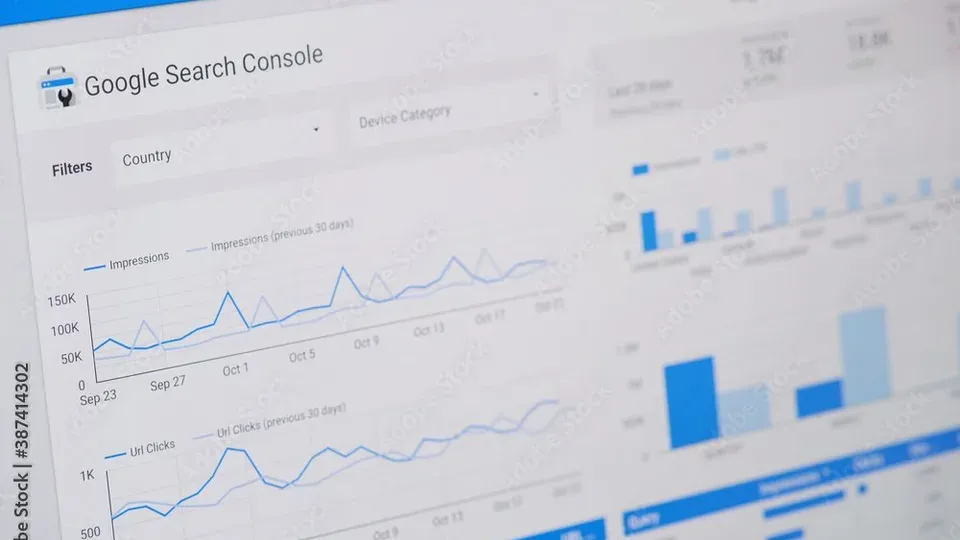
Yes, you can do SEO yourself. According to Google's own SEO Starter Guide, the fundamentals—quality content, clear site structure, descriptive metadata—are designed to be implemented by website owners, not just specialists. Free platforms like Google Search Console and Google Analytics give you the same data agencies use.
What You're Signing Up For
Let's be transparent. DIY SEO requires:
- Time: Plan for 5–15 hours per week, especially during the first 3 months
- Patience: Meaningful ranking improvements typically take 3–6 months; competitive niches may take longer
- Continuous learning: Algorithm updates happen regularly
- Discipline: SEO rewards consistency, not sporadic effort
If those commitments sound manageable, you're in an excellent position to succeed. In my experience, the biggest reason beginners fail isn't complexity—it's inconsistency.
Core SEO Fundamentals for Beginners
Before touching a single meta tag, you need a mental model for how search actually works.
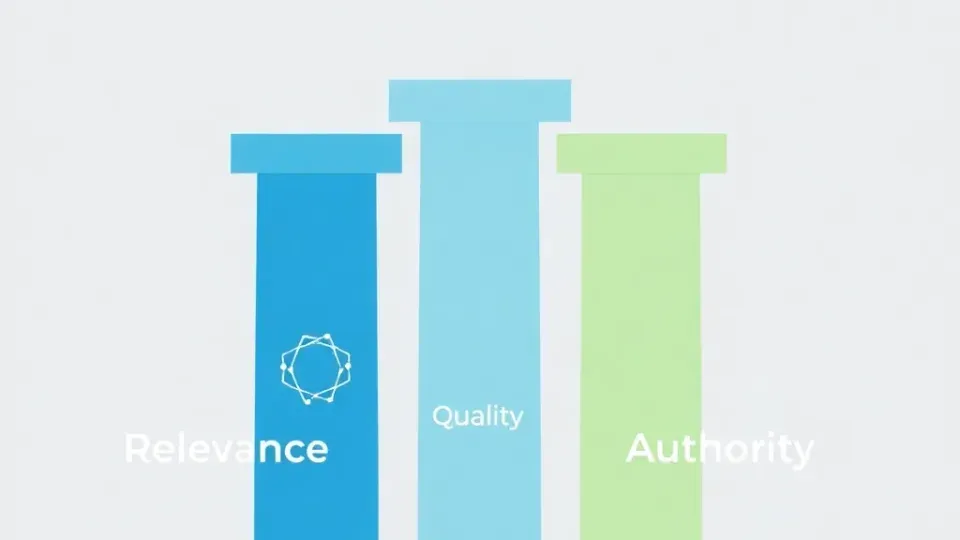
Google uses hundreds of ranking factors, but they boil down to three pillars:
- Relevance — Does your content match what the searcher wants?
- Quality — Is your content comprehensive, accurate, and trustworthy?
- Authority — Do other reputable sites link to or reference your content?
Understanding these three categories is essential for structuring your work as an SEO for beginners practitioner:
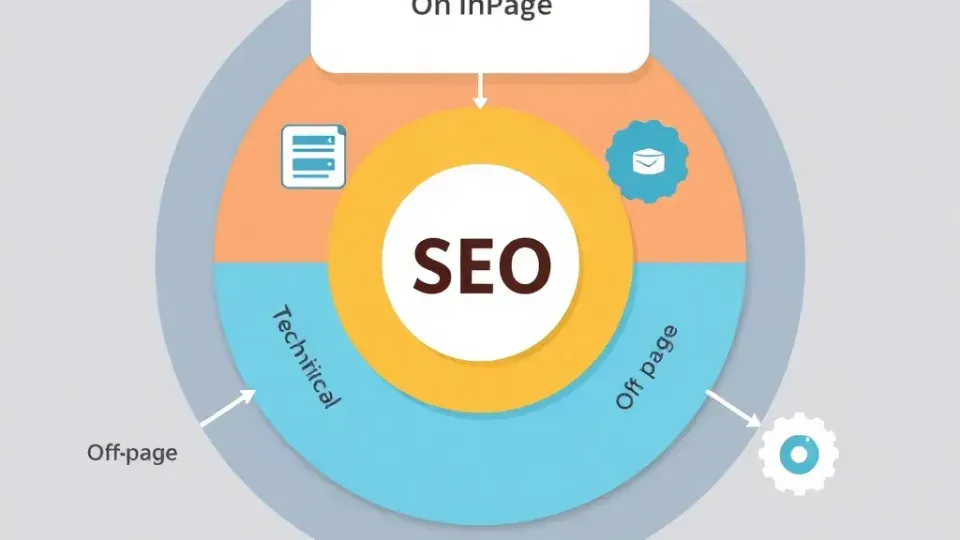
- On-Page SEO: Keyword optimization, meta tags, headings, content quality, and internal linking. Start here—you control it completely.
- Technical SEO: Site speed, mobile-friendliness, XML sitemaps, and structured data so search engines can crawl your content efficiently.
- Off-Page SEO: Primarily link building and brand mentions to establish authority.
In my experience, on-page SEO delivers the fastest wins. Technical SEO is mostly a one-time setup. Off-page SEO is the longest game but builds compounding value.
How to Do SEO for Your Website: A Phased Roadmap
Here's the approach I recommend for anyone learning how to do SEO for website projects from scratch.
Phase 1: Keyword Research
Every successful SEO campaign starts with data-driven research, not guessing.
- Use Google's free Keyword Planner to identify search volume for terms related to your business
- Analyze "People Also Ask" boxes in Google for content ideas
- Study competitors' top-ranking pages using free tools like Ubersuggest
Focus on long-tail keywords (3–5 word phrases) with lower competition. A local bakery shouldn't target "cake"—they should target "custom birthday cakes in [city name]." Platforms like Writora offer keyword clustering features that group related terms together, saving significant research time.
Phase 2: On-Page Optimization
For every page you want to rank, optimize these elements:
- Title tag: Include your primary keyword, keep it under 60 characters
- Meta description: Write a compelling 150–160 character summary
- Header hierarchy: Use H2s and H3s to structure content logically
- Internal links: Connect related pages to distribute authority
- Image alt text: Describe images accurately, incorporating keywords where natural
A common mistake I see is stuffing keywords into every heading. Instead, aim for 1–2% keyword density and use semantic variations throughout.
Phase 3: Content Creation
Content is the engine of organic growth:
- Answer real questions your audience asks on forums, social media, and in Google's "People Also Ask"
- Be comprehensive: Thorough, well-structured content consistently outperforms thin pages
- Demonstrate E-E-A-T: Share personal experience, cite credible sources, include author credentials
- Publish consistently: One well-optimized article per week beats ten rushed posts per month
What about AI tools? ChatGPT and similar platforms can accelerate brainstorming, outlining, and drafting—but they cannot replace human judgment, fact-checking, or strategic direction. The best results come from using AI for speed and applying your expertise for quality.
Phase 4: Technical SEO Setup
The basics are straightforward on most platforms:
- Site speed: Compress images, enable caching, use Google's PageSpeed Insights for recommendations
- Mobile-friendliness: Non-negotiable since Google uses mobile-first indexing
- XML sitemap: Most CMS platforms generate these automatically—submit yours through Google Search Console
- Fix crawl errors: Google Search Console flags these under the "Pages" report
Most of these are one-time setups with periodic check-ins.
Phase 5: Link Building
Off-page SEO is where many DIY practitioners stall, but it doesn't require a massive budget:
- Guest posting on industry blogs in exchange for a backlink
- Local directories: Claim your Google Business Profile and submit to niche directories
- Content that earns links naturally: Original research, comprehensive guides, and infographics attract backlinks organically
Avoid buying links or participating in link schemes—Google penalizes these practices.
Essential Tools and Time Investment
Free Tools vs. Paid Solutions
| Tool | Cost | Purpose | |------|------|---------| | Google Search Console | Free | Query data, indexing issues | | Google Analytics | Free | Traffic sources, visitor behavior | | Ubersuggest (free tier) | Free | Keyword ideas, competitor analysis | | Ahrefs/Semrush | $99–$129/mo | Full-suite research and tracking | | Writora | Free trial | Keyword clustering, AI content, one-click publishing |
For most beginners, free tools are sufficient for the first 6–12 months. Paid tools add depth when you're ready to scale.
Realistic Weekly Time Commitment
| Task | Time | |------|------| | Keyword research | 2–3 hours | | Content creation | 3–6 hours | | On-page optimization | 30–60 minutes | | Technical audits (monthly) | 1–2 hours | | Link building outreach | 2–4 hours |
Total: roughly 8–15 hours per week during active campaigns. This decreases as you build systems and templates.
Can You SEO Successfully on Your Own? When It Works and When It Doesn't
DIY SEO Works Best When:
- You have 8+ hours per week to dedicate
- Your niche isn't hyper-competitive (local businesses and specialized services do well)
- You enjoy writing and research
- Your marketing budget is limited
- You're willing to learn continuously
Consider Hiring Help When:
- You've done DIY SEO for 6+ months with zero traction—a professional audit can identify blind spots
- Your site has complex technical issues like migration problems or penalty recovery
- You're in an extremely competitive market (finance, legal, health)
- Your hourly rate exceeds the cost of outsourcing the work
A hybrid approach also works well: hire a consultant for an initial audit and strategy, then execute the plan yourself.
Final Thoughts
Can you SEO your website without professional help? Absolutely—and the evidence strongly supports it. The path isn't mysterious; it's methodical.
Focus on the three core phases: keyword research to understand what your audience wants, content optimization to serve those needs better than competitors, and link building to establish authority over time. Layer in basic technical SEO and consistent effort, and you have a complete strategy.
Your next step is simple. Start with Phase 1 of the roadmap above and work through each phase sequentially. Tools like Writora can streamline keyword clustering and content creation—try it free to see if it fits your workflow. If the math points toward hiring help instead, understanding these SEO fundamentals still makes you a better decision-maker when evaluating someone else's work.
SEO mastery isn't a mystery. It's a skill—and like any skill, it gets sharper with practice.